
Starting a small cheese factory in Australia involves careful planning, understanding the dairy industry, and selecting the right equipment to process milk efficiently. Whether you aim to create mozzarella, cheddar, or various types of soft cheese, having the right tools is key to maintaining quality and ease of operation. This guide covers the must-have equipment and considerations to help you set up your production with confidence.
Planning Your Cheese Production
Before placing any equipment orders, it’s important to clarify your goals. Decide what types of cheese you want to make-soft, hard, or a mix-and estimate your production volumes for the first year. Consider reducing your initial forecasts to account for unexpected changes in demand or supply, which is common in the dairy industry.
Sourcing milk is another major decision. Using raw milk gives you more control over quality, but requires onsite pasteurisation and strict compliance with regulations. Alternatively, you can use bulk pasteurised milk for ease and consistency.
Careful planning of your production space is essential. Think about the layout, drainage, and access to utilities like three-phase power. If you’re using tank water, ensure you have proper filtration and bacteriological controls to support consistent cheese making.
Essential Cheese Factory Equipment
Cheese Kettle and Vats
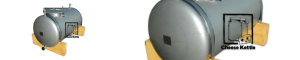
A cheese kettle is central to your factory. Cheese Kettle Pty Ltd offers kettles made from stainless steel in various sizes and capacities, designed for easy operation and efficient heating and cooling. These kettles are suitable for processing milk into different cheese types, including mozzarella and cheddar. They come with precise temperature controls to help you maintain quality and consistency across recipes.
Pasteurisation Equipment
If you choose to work with raw milk, a pasteuriser is required. Cheese Kettle Pty Ltd provides pasteurisers in different sizes, with models featuring integrated cooling and energy-saving systems. These machines are designed for easy operation and maintenance, supporting efficient milk processing for various cheese recipes.
Work and Drainage Tables
A large mobile worktable is essential for pressing and draining cheese. Stainless steel designs with bottom shelving allow for efficient storage and ease of use, especially in smaller production spaces.
Cheese Presses
For making semi-hard or hard cheeses, a cheese press is necessary. Cheese Kettle Pty Ltd offers presses in different sizes and capacities, designed for consistent pressure application and easy maintenance.
Curd Handling Tools
Tools such as cheese harps and curd cutters, made from stainless steel, help create uniform curd sizes for different cheese types. These are designed to work with a range of vat sizes and support efficient production.
Brine Tanks and Specialty Equipment
Brine tanks are important for cheeses like feta and halloumi. Cheese Kettle Pty Ltd supplies brine tanks made from food-grade materials, suitable for different production volumes. Depending on your recipes, you may also need butter churners, cream separators, or blue cheese piercing tools.
Maturation Room
A maturation room, or cheese cave, is essential for aging cheese at the right temperature and humidity. Investing in proper cooling and monitoring equipment helps ensure product quality and efficiency.
Research and Support
Before finalising your equipment order, research your options and contact suppliers to understand delivery times, warranty coverage, and ongoing maintenance support. Cheese Kettle Pty Ltd provides a range of equipment designed for the Australian dairy industry and can assist with selecting the right solutions for your needs.
Conclusion
Setting up a small cheese factory requires thoughtful planning, the right equipment, and a clear understanding of your production goals. By focusing on quality, efficiency, and ease of operation, you can create a successful cheese making business.
Discover our premium cheese kettles designed for efficient and consistent cheese production-visit our products page to view the full range of equipment.
Need Help Getting Started?
We offer a full range of cheese making equipment, including kettles, pasteurisers, and presses, designed for various sizes and types of production. Contact us to discuss your requirements or request more information about our products and services. We’re here to help you understand your options and support your cheese making journey in NSW and across Australia.