

Small batch raclette works when you manage the rind, salt, and ageing room with the same care you give the table when you are serving melted cheese over boiled potatoes, cured meats, and pickled onions. This style of raclette cheese needs a steady process from cow’s milk to finished wheel so that it melts cleanly under a raclette grill, broiler, or even an open fire without turning greasy or splitting. With the right approach, you get a rich, nutty, creamy cheese that scrapes beautifully onto plates of warm vegetables, bread, and small potatoes for an easy raclette dinner that cheese lovers will remember. Many Australian makers can create a good cheese but still battle sticky rinds, cracks, or uneven brining that show up later when the cheese is heated or eaten.
Key Characteristics of Small-Batch Raclette
Raclette is a semi-hard washed-rind cheese made from cow’s milk, traditionally served in the Valais region of Switzerland and in parts of France. Classic swiss and french raclette has a thin, elastic rind, a smooth paste, and a flavour that is rich, nutty, slightly acidic, and savoury, without harsh bitterness or sharpness. The wheel should melt evenly when heated under a grill or special machine, scrape cleanly in soft slices, and coat potatoes, meats, and vegetables without oiling off.
In small-batch production, you usually work with one half wheel or a few wheels at a time rather than a large industrial run. That scale lets you watch each cheese closely from the pot to the ageing room, much like you watch a batch of fondue or a table full of small pans on a raclette grill during a busy raclette dinner. The goal is a repeatable recipe that gives you the same taste and texture every time, whether your cheese is eaten in a cosy home in Australia or in a restaurant that serves raclette with charcuterie, cornichons, and wine.
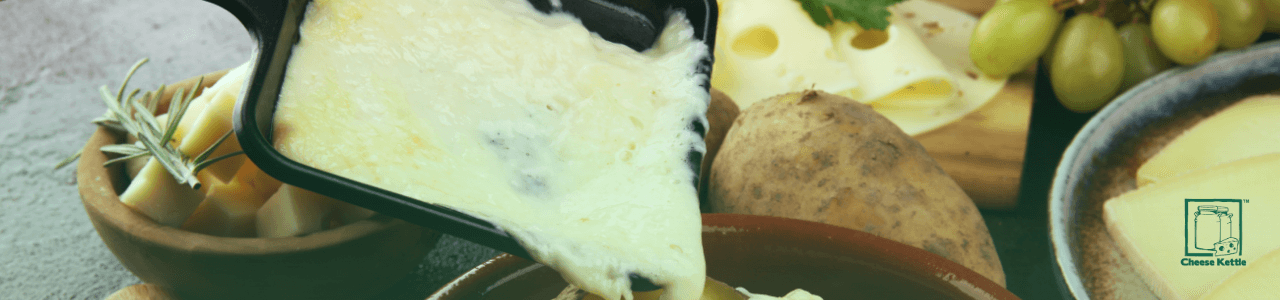
Washed-Rind Handling for Dependable Raclette
The washed rind is where raclette develops much of its aroma, colour, and flavour. After pressing and a short drying phase, the rind is washed with a light brine and sometimes with a smear that carries the right surface cultures, encouraging a thin, sticky layer to form on the outside of the cheese. Over time, regular washing transforms the surface, helping the paste stay tender while building that slightly earthy, nutty, and sometimes slightly acidic character that pairs so well with potatoes, bread, and cured meats.
For small-batch makers, the key is to keep the routine simple and consistent rather than chasing complex recipes. Work with a mild brine strength, use clean cloths, and wash lightly instead of soaking, as the goal is to refresh the surface rather than drench the wheel. Turn the cheese at each wash, monitor smell and feel, and adjust your schedule slowly, much like you would adjust the cooking time when preparing a new raclette recipe for the table.
Practical Brining for Flavour and Rind Strength
Brining is where you set the foundation for taste, storage life, and rind structure. The salt in the brine moves into the cheese, shaping the final salt level, supporting the rind, and influencing how the cheese behaves when melted, scraped, and served. A balanced brine helps raclette stay creamy yet sliceable, with enough salt to support flavour but not so much that it overpowers tender potatoes, ham, prosciutto, salami, and other charcuterie.
For small batch raclette, it makes sense to work with one well-maintained brine tank rather than many small pots. The CheeseKettle 500 Ltr Brine Tank is designed for this type of work, with food-grade materials that stand up to salt and make cleaning easier. Keeping a consistent brine means checking concentration, temperature, and cleanliness, skimming and filtering as needed, and keeping simple notes on prep time in the brine for each batch so you can repeat your best results.

Ageing Room Setup That Supports Washed Rinds
A good ageing room for raclette acts like a steady, controlled cave rather than a basic cold room. You are aiming for moderate temperature and high humidity, so the rind stays supple, the centre matures steadily, and the cheese develops a rounded flavour that stands up to white wine, red wine, or other beverages without becoming too sharp. The right conditions help you avoid dries edges, cracked rinds, and inconsistent texture between the centre and the outer layers.
In practice, this means choosing a room that can hold a stable, cool temperature and humidity level with gentle airflow. Shelving should allow space between wheels, and surfaces should be easy to clean. For many small producers, a dedicated small room with a reliable cooling system and a basic humidifier can work well, particularly when combined with consistent turning, occasional washing, and simple recording of how long each batch is aged before it is sliced, heated, and served at the table.
Milk Handling and Kettles for Small-Batch Raclette
CheeseKettle offers several options that support small to medium raclette production. The 50 Ltr Pasteurizer for Milk is a solid entry point for artisan producers who want precise temperature control and safe, repeatable pasteurisation without oversize special equipment. For those handling more milk, the 200 Ltr Milk Pasteurizer and 200 Ltr Cheese Making Kettle Vat provide larger capacity with jacketed heating and agitation, helping you achieve even curd size, consistent salt uptake, and the kind of smooth, creamy paste that stands up well to the heat of a raclette grill or wood fire.

Connecting Production to the Raclette Table Experience
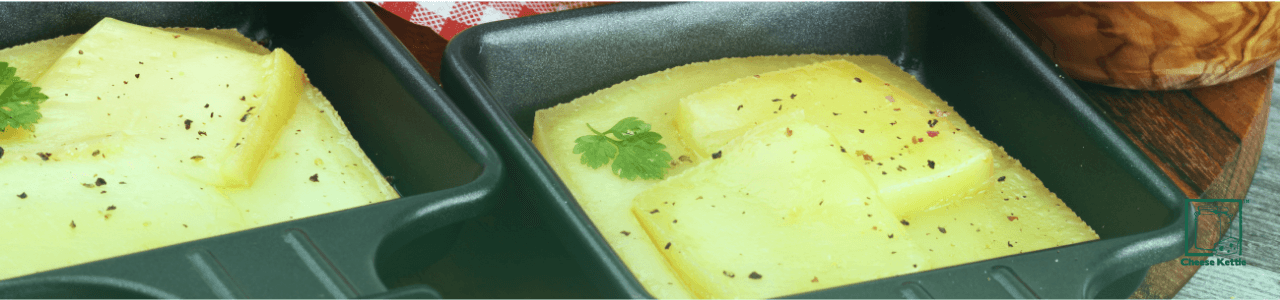
Keeping the end dish in mind helps shape your decisions at every production step. Eating raclette is a social experience built around a table, with half wheel or smaller pieces of raclette cheese heated, scraped, and served over boiled potatoes, small potatoes, vegetables, and sometimes bread. People add cured meats like ham, salami, and prosciutto, lay out pickles such as cornichons and other pickled onions, and pour white wine or red wine to match the rich, warm, melted cheese on their plates.
As a maker, your role is to craft a cheese that behaves predictably in that setting, whether it is melted in small pans under a special machine or warmed near a wood fire or open fire. That means focusing on a paste that is tender rather than crumbly, a rind that supports the wheel without turning tough, and flavours that stay balanced when heated with salt, fat, and simple country foods. When you align your washed-rind handling, brining, and ageing with this real-world use, your raclette moves from being just another swiss-style or french-style cheese to a reliable centrepiece for a relaxed dish that feels both traditional and distinctly your own.
Choosing CheeseKettle Equipment for Your Raclette Journey
If you are ready to refine or scale your small batch raclette, it helps to look at your production flow from milk reception through brining. Start by asking where you need more control: milk heating, curd handling, brine management, or storage. Many makers find that once they have a stable base of milk and a reliable ageing room, the next gains come from better control in pasteurisation and brining, which is where the 50 Ltr Pasteurizer for Milk, 200 Ltr Cheese Making Kettle Vat, and 500 Ltr Brine Tank are most helpful.
CheeseKettle can work with you to map your current recipe and workflow, then suggest equipment that fits your scale, your style, and your budget, without pushing unnecessary special equipment. Whether your raclette is enjoyed with classic potatoes and pickles, more modern vegetables and breads, or a full bunch of charcuterie and beverages, we want to help you create a cheese that melts evenly, tastes balanced, and fits well alongside other favourites such as swiss cheese, gruyere, emmental, or cheddar. With the right process, you can offer a raclette with a clear sense of origin that works with simple wine pairing options and gives your customers and guests the straightforward, delicious experience of a warm, tasty, comforting dish built around confident small batch raclette.