

A reliable halloumi brining workflow combines a suitable food-grade tank, a consistent brine recipe, regular salt and temperature checks, and a clear batch rotation system. These controls help each block of halloumi cheese develop a consistent salty flavour, moisture level and characteristic texture. Brining is an important part of halloumi production. Small changes in concentration, temperature, cheese size or immersion time can affect the finished cheese. A clear workflow reduces guesswork and makes it easier to compare one batch with another.
The Role of Brining in Halloumi Production
Halloumi is a semi hard; brined cheese traditionally associated with the island of Cyprus. Traditional Cypriot halloumi is commonly made from sheep’s milk, goat’s milk or a blend of sheep’s and goat’s milk. Some modern producers also use cow’s milk or added cow’s milk. This Cypriot cheese is known for its high melting point, firm texture and ability to hold its shape when cooked. After the curds are formed, drained and shaped, the cheese is often heated in hot whey before salting and brining.
Brining helps control flavour, moisture and surface condition. Salt moves into the cheese while some water and whey move out. The rate of this movement depends on the brine strength, temperature, block size and time in the tank. Halloumi is a unique cheese because it can be grilled, fried or pan seared without melting like many softer cheeses. Consistent brining helps it develop the texture needed for grilled halloumi, fried halloumi and halloumi fries.
Choosing the Right Brine Tank
A halloumi brine tank should be made from food-grade material that can tolerate regular contact with salt. It should also be easy to drain, inspect and clean. CheeseKettle’s 500 Ltr Brine Tank is designed for salt-bath applications in cheese production. It is made from food-grade materials that resist salt corrosion and is suitable for halloumi, feta and other brined cheese varieties. The tank should be sized according to actual cheese output. Space is needed for the brine, cheese displacement, baskets and retaining racks. Overfilling the tank can reduce brine contact and make loading or cleaning difficult.
Position the tank where operators can move cheese safely without carrying it through unrelated work areas. The surrounding floor should support washdown and drainage. Staff should be able to take samples, check temperatures and remove baskets without awkward lifting. A practical setup supports both product consistency and safer handling.
Preparing the Tank
The tank, baskets, racks, lids and sampling tools should be cleaned before fresh brine is prepared. Old brine, curds, protein, fat or detergent residue can affect the next batch. Check outlets, valves, welds and basket contact points. These areas can hold residue even when the tank appears clean from above. Before loading cheese, confirm that the basket arrangement keeps blocks separated and submerged. Halloumi may float, especially when transferred while still warm. A food-grade retaining rack can keep it below the surface without compressing the cheese. Blocks should not sit tightly against each other. Covered surfaces may receive less contact with the brine, which can lead to uneven salt uptake.

Preparing a Consistent Brine
Brine should be prepared from a written formula using suitable water or an approved whey-based process and food-grade salt. A weight-based formula is more reliable than measuring salt with cups or scoops. Salt volume can vary with crystal size, settling and moisture. When the concentration is stated as a percentage by weight, the salt is calculated as part of the total finished solution. For example, a 10 per cent brine contains 10 kilograms of salt in 100 kilograms of finished brine. The salt should be fully dissolved before the cheese is added. Warm water can help with dissolution, but the brine must return to the required operating temperature first.
Some producers use leftover whey in the brining process. Leftover whey may also be used to make whey ricotta, depending on the production system. Any use of whey should be part of the documented recipe and food safety process.
Setting the Salt Target
There is no single brine concentration that suits every halloumi recipe. The right setting depends on milk type, block dimensions, moisture, brining time and storage method. Halloumi made from raw milk may require different controls from cheese made using pasteurised milk. In both cases, salt concentration, temperature and finished-product checks should be recorded. The production specification should state the target brine strength, acceptable range, operating temperature, cheese load and immersion time. Salt concentration in the tank is not the same as salt concentration inside the cheese. Salt moves gradually from the surface towards the centre. Thick blocks may need more time than thin slices.
Monitoring Salt Strength
Brine concentration should be checked when the solution is prepared and at planned intervals during use. Cheese can introduce moisture and whey into the tank, which may weaken the brine. Salt also leaves the tank with the cheese and through spills or transferred liquid. A salometer, hydrometer, conductivity meter or another suitable method may be used. The selected instrument should suit the liquid and be used according to its instructions. Take samples from a consistent area using clean equipment. Record the reading, temperature, time and operator. When the result is outside the approved range, follow the documented corrective action.
Do not add unmeasured salt directly to an active tank. Any adjustment should be calculated, dissolved and mixed before the brine is checked again.
Controlling Brine Temperature
Temperature affects the speed of salt uptake and moisture movement. Warmer brine may increase the rate of change, while colder brine may slow it down. Check the temperature before loading and again after the cheese enters the tank. A large load of warm cheese from the hot whey stage may raise the temperature. Measure the brine itself rather than relying only on the cool-room display. Larger tanks may develop differences between the centre and edges. Do not make major temperature changes simply to shorten production time. Faster brining can also change flavour, firmness and moisture.
Standardising Cheese Size
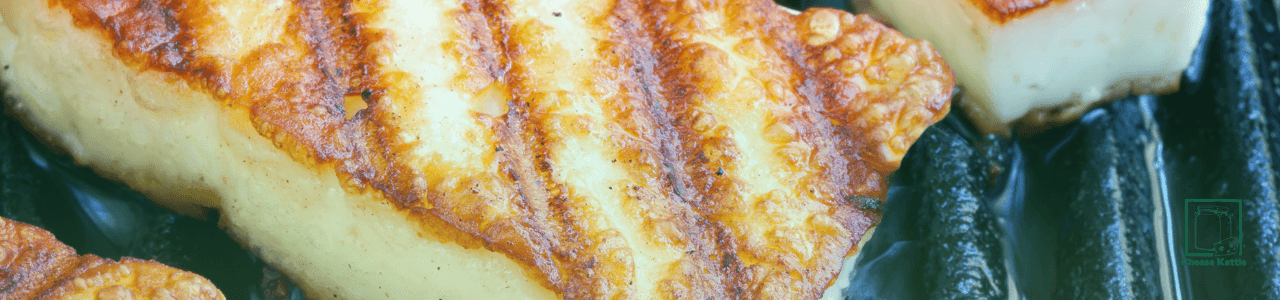
Consistent block size supports even brining. Thin pieces have more surface area in relation to their weight and may absorb salt faster than thick blocks. Set a target weight and dimensions for each block. Pieces that are much larger or smaller should be separated or assessed before brining. Uniform size also helps customers cook halloumi consistently. When slices are cooked in a frying pan with a small amount of olive oil over medium high heat, they should turn golden brown without losing their shape. The surface can become crisp or develop a crispy exterior while the centre stays firm. This is important for pan fried, pan seared and grilled halloumi.
Loading the Tank
Set a maximum cheese weight or number of baskets for the tank. Overloading may cause blocks to touch, restrict brine movement or rise above the surface. Each block should have contact with the brine on all sides. Baskets can organise the load, but they should not be packed tightly. Record the batch number, total weight, tank identification and loading time. The brine should remain within the safe working level after loading. A trial load can help determine the working capacity of the tank. Check submersion, temperature change, basket spacing and final salt consistency before setting the maximum load.
Managing Batch Rotation
A first-in, first-out system is a practical way to manage halloumi batches. Each load should have a batch number, loading time, planned removal time and operator record. Food-safe tags can be used to identify separate baskets. Avoid adding new cheese to a tank containing an older batch unless the baskets and removal times remain clear. Mixing loads without a clear system can cause some cheese to remain in the brine too long. If several baskets are used during one production day, the workflow should show which basket enters and leaves first.
Physical basket rotation should only be used when it is part of the approved process. If one section of the tank produces a different result, investigate the brine temperature, loading pattern and spacing.
Draining and Handling
Remove the cheese at the documented time and allow it to drain in a clean food-contact area. Do not leave one basket beside the tank while another is being processed, as this adds unplanned brining time. Avoid placing commercial cheese directly on an unsuitable paper towel. Some traditional cheese methods include adding mint or dried mint before folding, packing or serving. Mint and other herbs should be handled through the same ingredient controls as salt, milk and brine. Finished halloumi is a versatile ingredient. It may be added to a green salad, sandwiches, fresh vegetables or tomatoes. It may also be served with watermelon, honey, chilli flakes, herbs or a drizzle of olive oil.
Halloumi can be served fresh, although many people prefer to cook halloumi because heat develops more flavour and a crisp surface. People may eat halloumi raw, but fried or grilled slices are often considered more delicious. Halloumi is naturally gluten free when made without gluten-containing additions or cross-contact. Producers should still check all ingredients and processing controls before making a gluten free claim. Haloumi is an alternative spelling sometimes used in Australia, but halloumi is the more common spelling. Some recipes combine halloumi with bacon in salads, breakfast dishes or sandwiches. While these serving ideas are outside the brining process, they show why consistent moisture, salt and texture matter.

Maintaining and Replacing Brine
Brine changes during use. Moisture, whey, curd particles, protein and fat can enter the tank, while salt is removed with the cheese. A brine may look clear while no longer meeting the required concentration or food safety limits. Appearance should support testing, not replace it. The procedure should explain when brine can be adjusted and when it must be replaced. It should cover unusual smell, colour, surface growth, sediment and repeated product faults. Adding more salt will not correct contamination or every quality problem. When the brine cannot be returned to specification, it may need to be discarded and replaced. Record all salt additions, treatments, tests and replacement dates.
Cleaning the Tank
Cleaning removes curds, fat, protein, salt deposits and other residue. The cleaning process may include draining, rinsing, applying detergent, cleaning all surfaces, rinsing again and sanitising where required. Follow the site procedure and chemical supplier instructions. Inspect valves, outlets, lids, racks, baskets, probes and welds. These parts can retain soil even when the main tank walls look clean. After cleaning, inspect the equipment before preparing new brine. Report damaged seals, rough surfaces or corrosion.
Recording the Process
Clear records connect tank conditions with finished halloumi quality. The production record should include the batch number, milk type, cheese weight, block size, brine recipe, salt concentration, temperature, loading time and removal time. Finished-product checks may include saltiness, moisture, firmness, appearance and cooking performance. A controlled slice should become golden brown when fried without spreading or melting across the pan. A simple record is often better than a long form that is difficult to complete. Every field should help the operator or production manager understand the batch. Review records over time. Frequent salt adjustments, uneven baskets or changing brining times may show that the workflow needs attention.
Common Brining Problems
Halloumi that is too salty may have stayed in the tank too long, entered a stronger or warmer brine, or been cut into smaller pieces. Cheese that lacks salt may have been removed early, placed in weak or cold brine, loaded too tightly or cut into larger blocks. Uneven results often relate to floating cheese, crowded baskets, inconsistent size or unclear loading times. Soft or wet surfaces may relate to cheese moisture, cooling, brine condition or sanitation. A dry or firm result may occur when high salt, long exposure and low initial moisture happen together. Review the full batch record before changing the recipe. Adjust one factor at a time so the cause can be identified.
Scaling the Workflow
Scaling should increase capacity without removing the controls that made smaller batches consistent. CheeseKettle’s 500 Ltr Brine Tank provides a dedicated food-grade option for halloumi, feta and other brined cheeses. Its working capacity should be confirmed through production trials rather than based only on total volume. A larger load may affect brine movement, loading time, temperature recovery and sampling. Staff should still be able to identify batches, keep cheese submerged and clean all surfaces. The goal is to produce more cheese without losing control of salt, moisture, texture or cooking performance.
Building a Reliable Halloumi Process
A dependable halloumi brining workflow starts with a clean tank, a measured brine recipe and a clear plan for temperature, loading and time. Consistent block size, full submersion, reliable salt checks and clear batch rotation can make all the difference between batches. Records also help show whether the process is producing the intended flavour and texture. As a traditional cheese from Cyprus and the Middle East, halloumi has become popular in salads, sandwiches, grilled dishes and many other recipes. Its high melting point and firm texture make it different from many other cheeses. For good food results, grilled or fried halloumi is often best served immediately.
CheeseKettle supports artisan and commercial cheese makers with practical equipment for different production stages. The 500 Ltr Brine Tank provides a dedicated solution for building a controlled halloumi brining process as production grows.