

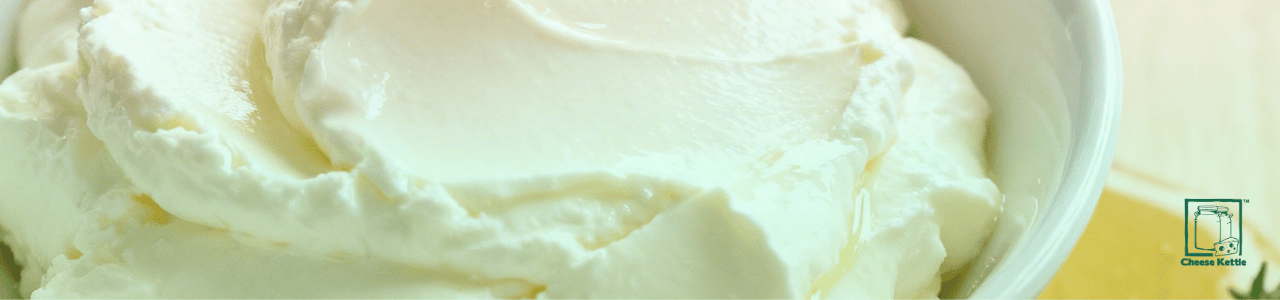
Fromage blanc is a fresh cheese with a mild flavor and creamy texture that sits somewhere between yogurt and cream cheese. It makes a light, smooth spread, dip, or topping that tastes great on bread, crackers, and bagels, and works beautifully in both sweet and savory dishes. With gentle heat, the right starter culture, and a simple process, Australian cheesemakers can reliably turn milk into a finished cheese that feels easy to make and even easier to eat.
This style of white cheese matters for both new and experienced cheesemakers because it is forgiving, versatile, and quick compared with aged cheeses. You can serve it as a substitute for ricotta, mascarpone, or even a lighter cream cheese in many recipes, from carrot cake frosting to a herb-filled dip for friends. By focusing on culture selection, gentle heating, and careful draining, you can achieve your desired consistency and build a fromage blanc that fits straight into your regular production and recurring or deferred purchase patterns.
What Is Fromage Blanc and Why Does Gentle Heating Matter?
Fromage blanc is a soft, fresh cheese originally from France, made by setting milk with a mesophilic starter culture and a small amount of rennet or no rennet at all. The curds form slowly, giving a smooth, creamy texture that can be left quite soft and spoonable or strained for a thicker spread. Because this style is typically not aged or frozen, the texture you build during the process carries straight through to the finished cheese.
Gentle heat is essential because it helps the culture work without shocking the milk proteins. If you heat too fast or let the temperature drop too low, you risk affecting how the curds form and how well the whey releases during draining. Careful control of heat, stirring only when needed, and leaving the curds undisturbed during setting all protect the final texture and taste.

How Do Mesophilic Cultures Shape Fromage Blanc Texture and Flavor?
At the heart of fromage blanc is the fromage blanc culture, a mesophilic starter culture designed for low-temperature cheesemaking. This culture slowly turns lactose in the milk into lactic acid, which helps the curds form and gives the cheese a gentle tang. The culture you choose sets the pace of the process and strongly influences the taste, aroma, and texture of the finished cheese.
Some cultures are blended specifically for soft white cheese and fresh cheese, giving a clean, creamy profile that works as a spread or dip. Others lean more toward yogurt-like flavors, with a brighter tang that suits fruit, honey, or sweet toppings. When you match your culture choice to how you plan to serve and eat the cheese, you get a more consistent product batch after batch.
What Temperature Profile Supports a Delicate Fromage Blanc Curd?
In fromage blanc cheesemaking, you typically heat the milk gently to a warm room temperature range rather than to high cooking temperatures. A common approach is to bring the milk slowly up from fridge-cold to a comfortable, hand-warm level that suits mesophilic culture. This helps the culture take hold and start working without damaging the structure of the curds.
The important point is not just the final temperature, but how gradually you heat and how stable you keep it during the process. A slow, even heat avoids hot spots in the pot and prevents the curds from tightening or becoming grainy. After inoculation, you let the milk sit undisturbed so it can set into a soft gel that will later be ladled or poured into a colander.
How Do Gentle Heating and Culture Choice Work Together for Texture and Consistency?
Gentle heating and culture selection work best when treated as a single, connected decision. The culture has a preferred temperature band, and your heating pattern should respect that range so the curds can form slowly and evenly. When culture and heat are in sync, the cheese develops a fine, smooth curd that drains predictably and delivers the desired consistency.
If you push the heat much higher than the culture expects, the curds can tighten and the finished cheese may lose its light, creamy character. If you let the temperature drop too low, the process slows down, and you might get a softer set that struggles to drain fully. Getting to know how your particular culture behaves in your room and equipment is one of the real joys of cheesemaking.
| Choice Or Condition | Typical Result For Texture And Taste |
|---|---|
| Gentle heat and matched culture | Smooth, light curds with mild flavor and good draining. |
| Culture overheated | Firmer, sometimes chalky curds and sharper taste. |
| Culture too cool | Weak set, very soft curds, longer time to reach consistency. |
| No culture, direct acid | Quick set but simpler flavors and less nuance. |
How Can You Adapt Fromage Blanc Production for Australian Conditions?
Australian cheesemakers often work in spaces where room temperature can change a lot across the day and across the year. This affects how fast the culture works and how quickly the curds set, which in turn changes the planned directions and timings on your recipe page. Being ready to adjust incubation time and insulation helps keep your fromage blanc texture on track.
In hot weather, the process may run faster, and the cheese can become more tangy if you do not shorten the set time or strain earlier. In cooler weather, you might find that the curds take longer to form and need more protection from drafts or cold surfaces. The goal is to keep the milk and curds within a gentle band rather than letting the temperature swing wildly up or drop sharply down.
Which CheeseKettle Equipment Supports Gentle Heating for Fromage Blanc?
When you move beyond single-gallon or small-bowl batches, purpose-built equipment makes it easier to control gentle heat. CheeseKettle’s 200 Ltr Cheese Making Kettle Vat uses a jacketed design and agitation to manage temperature steadily without burning or sudden changes. This helps the culture work evenly throughout the milk and leads to consistent curds that are easy to drain.
For sites without three-phase power, the 240V Single Phase Cheese Vat gives similar control while running from standard supply. For smaller or mixed-product operations, the 50 Ltr Pasteurizer for Milk and 100 Ltr Milk Pasteuriser with Chiller can pasteurise, then cool, and then hold milk ready for culture addition. These tools take a lot of guesswork out of the heat step, so you can focus on flavor, texture, and process planning.

What Step-By-Step Process Produces Consistent, Delicate Fromage Blanc?
A simple, repeatable process makes fromage blanc one of the most approachable cheeses for home and commercial makers. You begin by warming milk gently, then adding the fromage blanc culture and any small amount of rennet and allowing the curds to set undisturbed. Once the curds have formed, you transfer them carefully to a colander lined with cloth to strain the whey and build the final texture.
Draining time is one of the most powerful tools for adjusting consistency. A shorter drain keeps the cheese very soft and spreadable, perfect as a fresh spread, dip, or topping for fruit, honey, and sweet or savory dishes. A longer drain produces a thicker cheese that can play the role of cream cheese or mascarpone in recipes like cheesecake, carrot cake frosting, or a herb and garlic blend for crackers and bagels.
A practical process outline:
- Warm milk gently in a pot or vat to a comfortable range for your culture.
- Stir in the fromage blanc starter culture, then add a small amount of diluted rennet if your recipe calls for it.
- Cover and leave the pot or bowl undisturbed until the curds form a soft, yogurt-like mass with some whey on top.
- Ladle or pour the curds into a cloth-lined colander set over a bowl so the whey can drop away.
- Let the cheese drain until it reaches the desired consistency, then add salt and any herbs or other flavors you like.
- Chill and serve as a spread, dip, or topping, or use as a substitute for ricotta or cream cheese in recipes.
How Can You Use and Flavour Fromage Blanc in Everyday Cooking?
Once drained, fromage blanc becomes a very flexible ingredient that fits easily into existing recipes and menus. You can keep it plain and light, with just salt to bring out the natural taste of the milk, or you can build flavors with herbs, spices, or sweet additions. Many cheesemakers find that a single base batch can be divided and seasoned in several different ways to create variety without extra process work.
For savory dishes, you might blend the cheese with chopped herbs, garlic, and a little salt to make a simple dip for crackers and bread. For sweet uses, stir in honey, fruit, or a touch of vanilla and use it as a topping for cakes, pancakes, or fresh fruit salad. It also makes a gentle, creamy filling for baked dishes, a lighter stand-in for cream cheese in frosting, or a soft spread for bagels shared with friends.
How Can You Troubleshoot Texture and Process Issues in Fromage Blanc?
If your fromage blanc turns out too runny, chalky, or inconsistent, the cause usually lies in temperature, culture activity, or timing of the drain. A very soft, almost liquid cheese often means the curds did not have enough time or warmth to set fully before you moved them to the colander. A dry, crumbly batch may have drained for too long, or the curds may have been overheated or stirred too roughly.
It helps to keep simple notes on each batch, such as milk type, culture packet used, heat pattern, and dates listed on your process log. With this information, you can adjust one step at a time and quickly see what improves the texture and flavor. Over time, even small changes in the way you heat, stir, or drain can turn a good cheese into a great cheese that consistently meets your expectations.

Conclusion: How Do You Bring Gentle Heating and Culture Together for Reliable Fromage Blanc?
When you pair gentle heating with a suitable fromage blanc culture and a calm, careful approach to draining, the result is a smooth, creamy white cheese that tastes great and fits effortlessly into both home kitchens and small dairies. Clear directions, simple tools like a pot, colander, and bowl, and a thoughtful process make it easy to repeat your success from batch to batch. By treating each step as a chance to refine texture, taste, and consistency, you build a finished cheese you are proud to spread, serve, and share.
For makers looking to grow, planning your process around regular batches and clear dates helps link production to customer expectations, whether you take payment method in person, online, or through some form of deferred purchase. Reliable equipment for gentle heat and accurate culture use supports this, turning a straightforward recipe into a dependable part of your range. With that foundation, fromage blanc becomes not just another product, but a source of everyday joy for both cheesemakers and the people they serve.