

Cream separators and pasteurisation equipment setup can make or break your mascarpone production, yet many cheese makers struggle with inconsistent results due to inadequate temperature control and poor separation techniques. Without proper equipment, you’ll face grainy textures, reduced yields, and disappointing mascarpone that lacks the creamy consistency customers expect from this premium product.
Why Your Equipment Setup Determines Mascarpone Quality
The quality of your mascarpone starts with how well your cream separators and pasteurisation systems work together to create the ideal foundation for cheese making. Traditional mascarpone cheese requires cream with specific butterfat content, typically around 35-40%, which can only be achieved through efficient separation that maintains the delicate protein structure needed for proper coagulation.
When cream separation isn’t done correctly, you’ll notice the difference immediately in your final product. Poor separation leads to inconsistent butterfat levels that affect how the cream responds to heat and acid during the coagulation process. This results in mascarpone with an uneven texture that won’t spread smoothly or hold its shape in recipes.
Temperature control during pasteurisation proves equally critical for achieving that perfect milky white colour and creamy consistency. Mascarpone production requires precise heating to around 185°F, which is higher than standard milk pasteurisation. Without proper temperature monitoring, you risk either under-processing the cream, which creates food safety concerns, or over-heating, which damages proteins and creates a grainy texture that no amount of straining can fix.

Getting Your Cream Separation Right
Modern cream separators use centrifugal force to efficiently separate cream from milk, achieving far better results than traditional gravity methods that can take hours to complete. The key is maintaining optimal operating temperatures around 50-55°C, which reduces viscosity and improves separation efficiency while preserving the delicate fat globules that give mascarpone its characteristic texture.
Your separator should process milk quickly to prevent bacterial growth and maintain freshness. Most commercial units can handle several hundred litres per hour, making them suitable for both artisan operations and larger commercial facilities. Regular maintenance keeps your equipment running smoothly and ensures consistent cream quality week after week.
Temperature Control That Makes the Difference
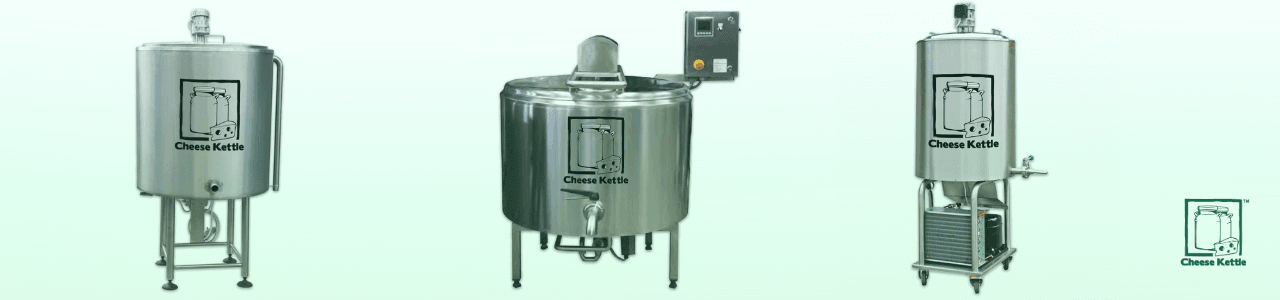
Professional Milk Pasteurizers designed for cream processing offer the precise temperature control essential for mascarpone production. These systems feature double-jacketed vessels with integrated cooling capabilities that allow rapid temperature changes critical for preserving protein functionality.
The heating process must reach and maintain the target temperature while providing gentle agitation to ensure uniform heat distribution throughout the cream. Advanced control systems automatically manage both heating and cooling phases, eliminating guesswork and reducing the chance of processing errors that could ruin an entire batch.

Setting Up Your Pasteurisation System for Success
Your pasteurisation setup needs to handle the unique requirements of mascarpone production, which differs significantly from standard milk processing. The higher temperatures required mean your equipment must be capable of precise control and rapid response to temperature changes.
Integrated cooling features prove particularly valuable for mascarpone production. After reaching pasteurisation temperature, the cream must be cooled quickly to the optimal temperature for acid addition, typically around 185°F down to about 180°F. This rapid cooling helps preserve the protein structure while preparing the cream for the acidification step that creates the characteristic mascarpone texture.
Monitoring Systems That Ensure Consistency
Temperature monitoring systems with multiple probes track both product temperature and heating medium temperature throughout the entire process. Recording capabilities document each pasteurisation cycle, providing quality assurance data that helps you maintain consistent results and identify any issues before they affect product quality.
Modern pasteurizers include programmable controls that allow you to set specific temperature profiles and holding times. This automation ensures every batch receives identical treatment, eliminating the variations that can occur with manual temperature control.
Creating the Right Processing Environment
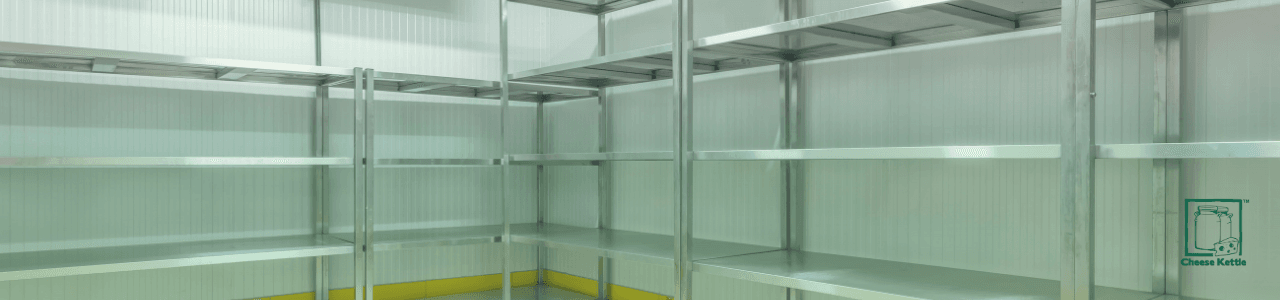
Your production area should maintain cool temperatures to preserve cream quality before and after processing. Proper ventilation helps control humidity and prevents condensation that could contaminate your product. The layout should minimise handling time and reduce the risk of contamination during transfer between separation and pasteurisation equipment.
Hygiene protocols require comprehensive cleaning procedures for all surfaces that contact cream or finished mascarpone. Stainless steel construction provides easy cleaning and sanitisation while resisting corrosion from acidic ingredients like lemon juice used in traditional mascarpone recipes.
Optimising Your Production Workflow
Efficient workflow design maximises your production capacity while maintaining the quality standards that set great mascarpone apart from mediocre products. Sequential processing steps should be arranged to minimise handling time and reduce contamination risks, whether you’re producing for home use or commercial distribution.
Timing considerations play a crucial role in mascarpone production. Fresh cream produces the best results, so plan your production schedule around cream delivery times. Proper scheduling also allows adequate time for pasteurisation, cooling, and acid addition without rushing critical steps that affect final quality.
Container selection affects both processing efficiency and final product characteristics. Food-grade stainless steel containers provide excellent heat transfer during pasteurisation while maintaining product integrity. Choose container sizes that optimise batch processing and reduce waste while ensuring adequate mixing during the coagulation process.
Quality Control Measures That Matter
Regular testing of cream composition, pasteurisation temperatures, and final product characteristics helps identify potential issues before they affect product quality. Simple testing procedures can be implemented to monitor pH levels, moisture content, and texture consistency.
Visual inspection remains one of the most important quality control measures. Properly made mascarpone should have a smooth, creamy texture without any graininess or separation. The colour should be consistently milky white, and the product should spread easily when chilled.
Storage considerations include proper refrigeration and container selection that preserves freshness and prevents contamination. Mascarpone should be stored in the fridge at consistent temperatures and used within a week for optimal quality and food safety.
Making Equipment Choices That Support Your Goals
Whether you’re setting up equipment for home production or commercial operations, your choices should support consistent quality and efficient processing. Small-scale operations can achieve excellent results with properly sized equipment that matches production volumes, whether you’re making cream cheese or homemade mascarpone.
Consider your target markets when selecting equipment capacity. For example, if you plan to supply restaurants or retail outlets, you’ll need systems capable of producing consistent volumes while maintaining the high quality standards these customers expect, whether for sweet desserts, yogurt, or bread-based recipes that use mascarpone as an ingredient.
Energy efficiency becomes increasingly important as production volumes grow. Modern pasteurisation equipment includes features like heat recovery systems that reduce operating costs while maintaining precise temperature control. This helps keep production affordable whether you’re adding sugar to recipes or focusing on delivering creamy, fresh mascarpone cheese.
Ready to Elevate Your Mascarpone Production?
Take your cheese making to the next level with professional Milk Pasteurizers from CheeseKettle. Our reliable pasteurisation systems offer precise temperature control and integrated cooling features designed to help you produce consistently creamy mascarpone cheese that’s perfect for tiramisu, savory dishes, and countless other recipes.
Contact CheeseKettle today to learn more about how our Milk Pasteurizers can streamline your production process and deliver the quality results your customers expect.