
Paneer cooling and storage are all about moving quickly from heat to safe cold temperatures while protecting texture, flavour, and shelf life. For an Australian dairy or cheese room, that means planning your workflow so pressing, cutting into clean paneer cubes, and transferring to chilled storage happen without delays. When you get this right, paneer makes a consistently fresh, creamy, and reliable product that works beautifully in every paneer recipe from matar paneer to paneer butter masala.
Paneer is a fresh cheese made from whole milk or buffalo milk, and it behaves more like a firm ricotta or halloumi than a long‑aged cheese. Because it still holds plenty of moisture and milk solids, it can spoil quickly if cooling and storage are not handled carefully. A good process keeps your paneer safe for the whole family, whether you sell it as plain blocks for indian cooking or use it in your own curry, sauce, or other indian dish.
Cooling and Storage as a Quality Foundation
Strong cooling and storage practices are the backbone of reliable paneer production. As soon as the curd sets and you have drained excess water or whey, the clock starts ticking on how long the paneer spends warm. The goal is to move from cooking temperature down to stable refrigeration without lingering at medium heat or room temperature.
Paneer has a delicate, fresh flavour and gentle tang that suits everything from saag paneer with spinach to pan fry preparations like golden paneer tikka. If you cool too slowly, the paneer can turn crumbly, rubbery, or sour much faster than you expect. Good cooling also protects the clean taste that makes paneer such a great vegetarian alternative to meat in north indian dishes served with basmati rice.

Process Flow from Milk to Chilled Paneer
A controlled paneer workflow starts with good milk and ends with tidy storage. Many cheese makers prefer whole milk or buffalo milk for richer flavour, but even standard cow’s milk can make excellent indian cottage cheese as long as you manage heat and acidity carefully. You can use lemon juice or vinegar to coagulate the milk, then let the milk solids settle before cutting and draining.
After coagulation, the curd is gathered, drained, and often pressed under a heavy weight to form a block. This pressing step squeezes out excess water and sets the shape for later cutting into cubes or slices. Once pressed, the paneer should be cut and moved into a chilled environment promptly rather than left in a pan or bowl on the bench.
Role of the 100 Ltr Milk Pasteuriser with Chiller
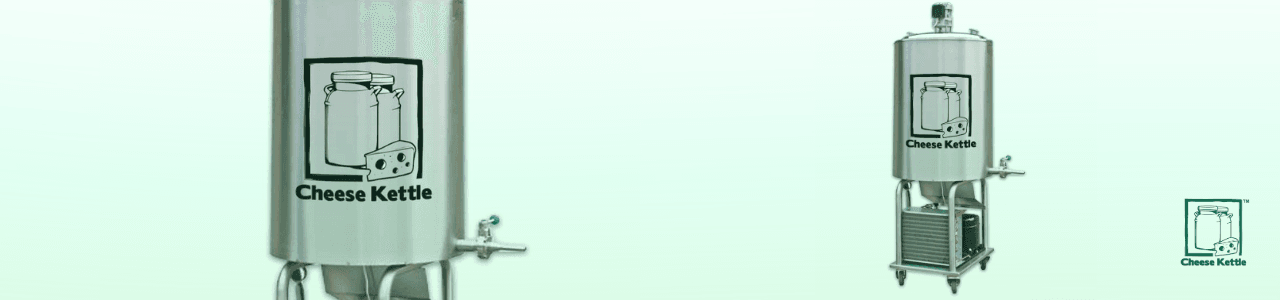
The 100 Ltr Milk Pasteuriser with Chiller is designed to help you control both heat and cooling in one compact system. You can bring the milk up to the required temperature for pasteurisation, hold it as your recipe calls, then cool rapidly without shifting to separate equipment. This reduces handling, saves time, and helps maintain a smooth paste‑like structure in the curd.
Because the chiller is integrated, you can lower the temperature quickly after the cook or after you have separated the curd. Fast cooling means less time in warm conditions where bacteria thrive and flavour can deteriorate. It also makes it easier to keep a predictable prep time and production rhythm, especially if you are moving from homemade batches to higher volumes.
Protecting Texture While Cooling
Texture is where good paneer really shines. When cooling is managed well, the finished cheese feels firm yet tender, holding its shape when you fry cubes in ghee or oil over medium high heat. If the curd stays hot or warm too long, proteins can break down and the paneer can become grainy or overly chewy.
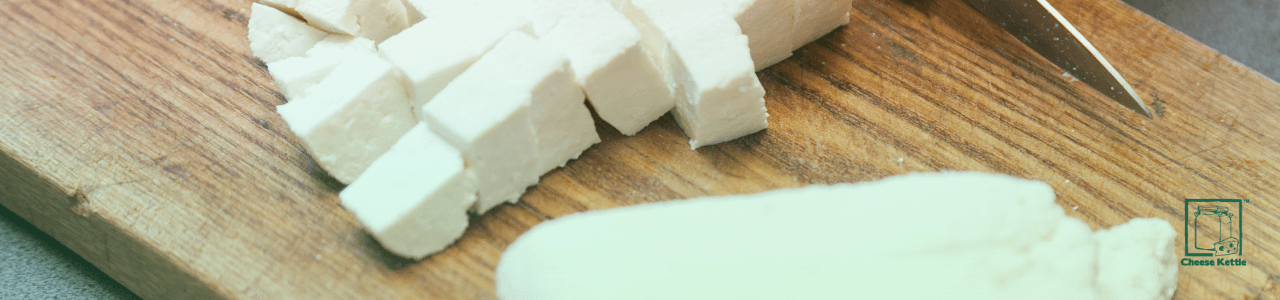
To protect texture, think of cooling as a continuation of your cook, not a separate job. Once the paneer block comes out from under the heavy weight, it should be cut into a single layer of cubes or slices so heat can escape more easily. These pieces can then be moved straight into cold water, brine, or a refrigerated space so that the core cools almost as quickly as the outer surface.
Time and Temperature Guidelines
For most dairy operations, the safest approach is to move quickly from hot to cool and then to cold. You want to get the paneer from cooking temperature down to warm, then down to fridge temperature, in a handful of hours rather than dragging it out over the day. The less time your paneer spends sitting at room heat, the better the safety and shelf life.
Think of it in easy stages. First, cool from cooking to warm fairly quickly, then move from warm to properly cold in the next short window of time. Once the paneer is fully chilled, keep it at a steady low temperature and avoid repeated warming or long periods sitting on a bench while you prepare curry or fry cubes.
Storage Methods and Shelf Life
Paneer is a fresh product and does not behave like aged cheese. In a chilled environment it is at its best over the first several days, when the taste is fresh and milky and the texture is nicely firm. Stored correctly, it will hold together well when you pan fry it in a little oil, ghee, or butter until golden for a simple indian dish.
For short storage, keep blocks or cubes in a sealed container in the fridge, with or without a little cold water to keep the surface from drying. Many producers cover the paneer with cold water and change it regularly to maintain a clean, mild flavour. For longer periods, freezing is an option, though you may notice slightly more crumbly texture when you fry or cook it later in curry with tomatoes, onions, garlic, ginger, and spices.
Packaging and Handling for Freshness
Packaging has a big impact on how long paneer stays fresh and appealing. Leaving it uncovered in the fridge can cause the surface to dry out or absorb odours from other foods, which changes the flavour and mouthfeel. A simple airtight container or tightly wrapped pack protects the cheese and makes it easier to stack and track in the cool room.
When you cut blocks into paneer cubes for retail trays or food‑service packs, arrange them in a single layer or shallow layers so they chill evenly. Clear labelling with make date and recommended use‑by date helps staff rotate stock correctly. This attention to detail keeps your paneer tasting fresh and delicious in every recipe, whether it is saag paneer, spiced paneer for skewers, or a smooth, creamy paneer butter masala.
Signs That Paneer Is No Longer Suitable
Even with good cooling and storage, paneer will eventually reach the end of its useful life. Because it is a fresh cheese with high moisture, it will not last as long as hard cheese varieties. Changes in smell, colour, or surface condition are your first clues that it should be discarded. If the paneer develops a sour or sharp smell instead of the usual mild, milky aroma, it is time to remove it from sale or use. Visible mould, sliminess, or a sticky surface also indicate that the cheese is no longer suitable to eat. Training staff to recognise these signs helps protect your customers and your reputation.
Linking Cooling to Popular Paneer Dishes
Understanding cooling and storage becomes more meaningful when you connect it to how paneer is eaten. Well‑handled paneer holds its shape when fried over medium heat or medium high heat until the cubes turn golden in the pan. This is exactly what you want for dishes like paneer tikka, where you marinate roughly chopped or cubed cheese with yogurt, garlic, ginger, red chili powder, turmeric, cumin, garam masala, coriander, and a little oil.
In curry dishes such as matar paneer with peas and tomatoes or saag paneer with spinach and fenugreek leaves, sturdy but tender cubes are essential. Poorly cooled paneer can break apart in the sauce when you stir, making the dish look messy and changing the texture. When the cooling and storage are right, the paneer sits proudly in the masala and creamy sauce, ready to serve with basmati rice, flatbreads, and other sides for the whole family.
Practical Cooling Steps for Small to Mid‑Size Dairies
In a smaller Australian dairy or cheese room, you may not have a blast chiller, but you can still manage cooling well. Using the 100 Ltr Milk Pasteuriser with Chiller lets you bring heat up and down in a controlled way, reducing the time your curd spends in risky temperature ranges. Combining this with simple process planning gives you consistent results without adding complexity.
Aim to have moulds, cloths, presses, and storage containers ready before you start heating the milk. Once the curd forms with lemon juice, vinegar, or another acid, move steadily through draining, pressing, and cutting, then into cold storage. Keeping a simple log of times and temperatures for each batch supports both quality and food‑safety records.

Cooling and Storage as Part of Your Brand
Good paneer cooling and storage reinforce your brand as a reliable partner for both home‑style and commercial Indian cooking, whether your customers choose homemade paneer or buy it ready to use. When your paneer behaves predictably in the pan and in the curry, chefs and customers trust it in every recipe that calls for Indian cottage cheese or similar fresh cheese and appreciate that it is naturally gluten free. They can pan fry it, stir it into a curry, or add it to a bowl of sauce knowing the taste and texture will be right, and they can rely on it as a consistent alternative to store bought options.
By combining careful process design, appropriate equipment like the 100 Ltr Milk Pasteuriser with Chiller, and simple, clear procedures, you can consistently deliver paneer that is fresh, safe, and versatile. That paneer will shine in everything from quick pan fry dishes to slow‑simmered masala recipes seasoned with cumin seeds, turmeric, salt, and other spices. In the end, thoughtful cooling and storage turn a simple curd of milk into a dependable, delicious ingredient that supports every indian dish and keeps your operation running smoothly.