🧀 Contact Us Now! (Call 02 6190 7800) 🧀

🧀 Contact Us Now! (Call 02 6190 7800) 🧀
Fresh mozzarella is a delicately flavoured fresh cheese with high moisture, a soft texture, and a milky taste, which makes shelf-life management a daily priority. Unlike harder cheeses, this stretched curd style is meant to be enjoyed freshly, whether in a classic caprese salad, simple salads with basil and olives, or baked dishes like pizza and al dente pasta. For Australian makers and food businesses, the aim is not to force a long life, but to keep freshly made mozzarella safely at its best for as many hours and days as your service model needs.
Managing shelf-life for mozzarella cheese is mostly about controlling time, temperature, and hygiene, from warm milk in the pot through to packaged balls in the cool room. Each step in mozzarella making, from adding citric acid and rennet through curdling and stretching, affects texture and freshness in the finished cheese. By refining cooling, brining, and packaging, you protect flavour, avoid crumbly texture, and make sure each batch of mozzarella, bocconcini, or buffalo mozzarella reaches the mouth smooth, moist, and satisfying.
The cooling phase begins as soon as the stretched curd is formed into balls or other shapes in the pot. At this point the curd is still warm, full of liquid whey, and very delicate, so how you cool it has a direct impact on texture and moisture. Rapid, even cooling helps set the curd structure, keeps the surface smooth, and slows down the activity of microbes that can shorten the safe time window for serving and store display.
A practical example is a small batch where you scoop freshly formed mozzarella balls into a tank or tub filled with cool whey or light brine, instead of leaving them in warm liquid. Gently stirring the balls in this cool liquid helps the heat move out evenly and prevents flat spots or damage. When this cooling step is done well, the finished cheese keeps a soft, milky centre and smooth mouthfeel over the next hours, ready for slicing over pizza, tossing through pasta, or layering into salads.
For larger batches, a dedicated cooling tank with integrated chiller and cleaning system, such as CheeseKettle’s Milk Cooling Tank with Chiller and CIP System, makes it easier to move mozzarella from warm stretched curd into consistently cold whey or brine. Stable cooling and regular CIP routines support a soft, moist texture and reliable shelf-life across every batch.

Whey is a natural liquid produced during mozzarella making when you break and stir the curd, and it holds many of the flavours and minerals that support good texture. Using whey, mixed with salt and adjusted with small amounts of citric acid if needed, as the main storage liquid helps the finished cheese stay aligned with its original make. The proteins and minerals in whey mean the balls sit in a familiar environment, which often supports a soft, moist structure over more hours compared with plain water.
Brine for mozzarella is usually made by mixing salt into whey or water, then whisking until the crystals dissolve and the liquid is evenly filled. In a commercial context this brine can be held in a dedicated brine tank, topped up between batches, and cooled so the cheese moves from warm to cold without shock. Keeping the salt level moderate helps with taste and texture, so the cheese remains gently seasoned and milky, not overly salty or dry. This balance is important whether the mozzarella is destined for salads, pasta, or toppings for pizza.
In a commercial context this brine can be held in a dedicated brine tank, such as CheeseKettle’s 500 Ltr Brine Tank, which is built from food-grade, salt-resistant materials and sized for repeated batches of mozzarella and other cheeses. This helps you keep brine cooled, clearly labelled, and easy to refresh so each batch of balls sits in a stable, clean liquid.

Salt and acidity affect how mozzarella tastes and how it holds up over the next hours and days. Citric acid and starter cultures influence curd formation, while salt added through brine or direct salting shapes both flavour and water movement. Too much salt or too harsh acid can push moisture out too quickly, leading to a drier, crumbly texture and shorter shelf-life for fresh uses like classic caprese salad or bocconcini plates.
A steady approach focuses on taste and mouthfeel. You want the cheese to feel soft and smooth when sliced or torn, with enough salt to support the flavours of basil, tomatoes, olives, and olive oil, but not so much that the cheese becomes firm or squeaky. Testing small changes batch by batch and noting how each mix behaves over the hours in storage, helps you find the point where your mozzarella stays moist and mild without drifting into rubbery texture or excessive brineiness.
Once cooled in whey or brine, mozzarella needs packaging that protects it from air, stray liquids, and temperature fluctuations. For delicately flavoured fresh cheese, packaging should be practical rather than complex, focusing on keeping the balls covered with liquid and shielding them from knocks or exposure. Simple tubs, pouches, or pots, sized to the quantity you produce and sell, become tools for stability rather than sales decoration.
In many artisan and commercial setups, tubs filled with whey or brine are used to hold mozzarella balls, with lids or film that seal well and keep the liquid inside during storage and transport. The idea is to ensure each ball stays moist and fully surrounded by liquid, so the surface does not dry, even when stored for several hours or more. For packaged mozzarella sold through supermarkets, sealed pouches or tubs also support labelled shelf-life and give consumers clear guidance on how long to refrigerate and store the product safely.
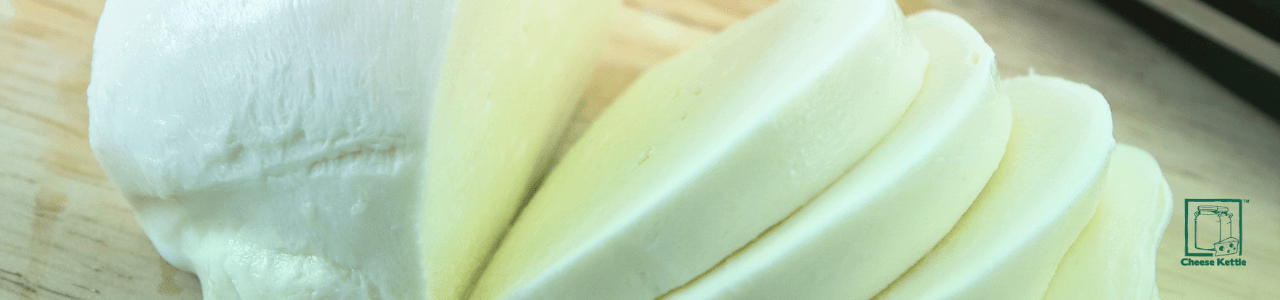
Shelf-life management changes once a pack is opened or a service container is filled for a shift. As soon as the seal is broken, air and extra handling start to influence texture and microbial growth. For food service, where mozzarella is often sliced, torn, or scooped for pizza, salads, and baked dishes, it becomes important to limit warm exposure and keep opened containers in cold storage between rushes.
A simple routine is to pour the original liquid from the packaged mozzarella into a clean service tub, add the balls or slices, and refrigerate between use. Staff can scoop what they need for each order, then return the tub promptly to cold storage. Freshly prepared homemade mozzarella at home follows similar logic. After your mozzarella recipe is complete and the cheese has formed, you place the balls in a bowl filled with lightly salted whey or water, refrigerate, and aim to use the cheese within the next day or two for salads, pasta, or pizza.
Texture is often the first sign that mozzarella is moving past its best. The cheese may start soft and smooth, breaking gently when sliced, with a moist interior and rich, milky aroma. Over time, if the liquid weakens or temperature control slips, the curd can tighten, leading to a firm or even crumbly texture that is less suitable for classic caprese salad or fresh salads, though it may still be usable in cooked foods.
Watching how texture changes through the hours after production helps refine your cooling and storage steps. If you notice that mozzarella used in pizza service later in the day feels tougher and produces less stretch, you can adjust cooling speed, brine strength, or container size. For example, storing smaller quantities per pot or batch reduces the risk of uneven cooling and supports a more even mouthfeel. The goal is for each slice or ball to hold together nicely when cut, yet still melt smoothly when used on pizza or stirred into warm pasta dishes.
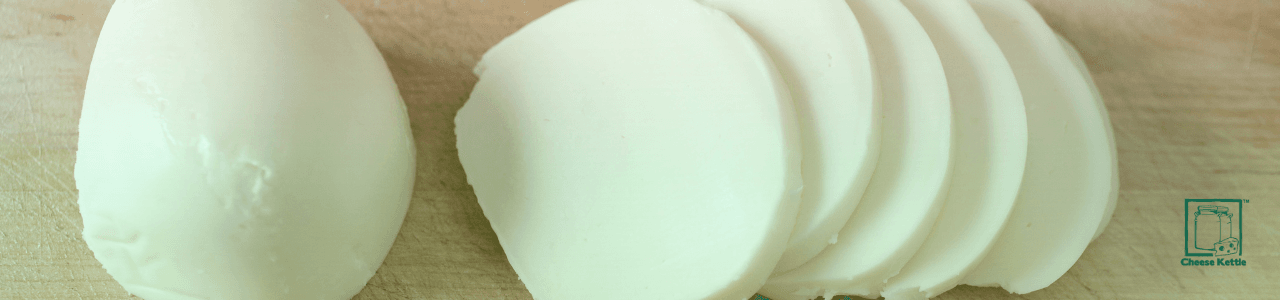
Fresh mozzarella shelf-life management is less about clever tricks and more about consistent, simple habits. Cool the stretched curd quickly in well prepared whey or brine, keep the cheese fully covered in liquid, refrigerate promptly, and store in containers sized to your batch and service style. Adjust salt and acidity to support taste and texture, watch how the cheese behaves in both salads and cooked dishes, and refine each step until your process becomes a stable routine.
Whether you are producing freshly made mozzarella from cow’s milk in southern Italy style for local pizza shops, preparing buffalo mozzarella for high end salads, or making small batches of delicately flavoured fresh cheese at home, the same principles apply. By treating cooling, brining, and packaging as part of the mozzarella recipe rather than afterthoughts, you protect flavour, texture, and freshness. That way, each slice, ball, or scoop of mozzarella reaches your customers or guests at its best, from the first batch of the day to the last serving at night.
Ready to tighten cooling, brining, and hygiene around your fresh mozzarella line? CheeseKettle’s Milk Cooling Tank with Chiller and CIP System and 500 Ltr Brine Tank give you practical, food-safe control over liquids and temperatures, so each batch stays smooth, moist, and reliably fresh.
