
Control milk temperature and cut cleaning delays with a stainless-steel milk tank sized for your milk load, milk cooling duty and documented cleaning cycle. A stainless-steel milk tank holds milk temperature more reliably when its chiller matches the incoming milk load and its insulation limits heat gain. Cleaning moves faster when milk residue is removed promptly and the wash cycle follows set steps. Stable milk storage protects the milk quality you need for the next make. A predictable cleaning routine also helps you return the dairy equipment to service without unnecessary rewashing.
Chiller Capacity Must Match the Incoming Milk Load
The chiller capacity for a stainless-steel milk tank must match the milk volume, incoming temperature and required storage temperature. An undersized milk cooling system leaves the tank working longer while fresh milk adds another cooling load. The tank and chiller need to work as one milk cooling system. Increasing tank capacity without matching the cooling equipment increases the time needed to pull the complete milk load down. Size the cooling duty around your actual milk handling process:
Milk volume: use your normal and largest expected fills
Incoming temperature: account for the warmest raw milk entering the tank
Target temperature: use the temperature limit set in your food safety program
Filling pattern: include staged additions if milk enters over several milkings
Recovery time: allow for the tank returning to its target after warm milk enters
Insulation Must Limit Heat Gain During Storage
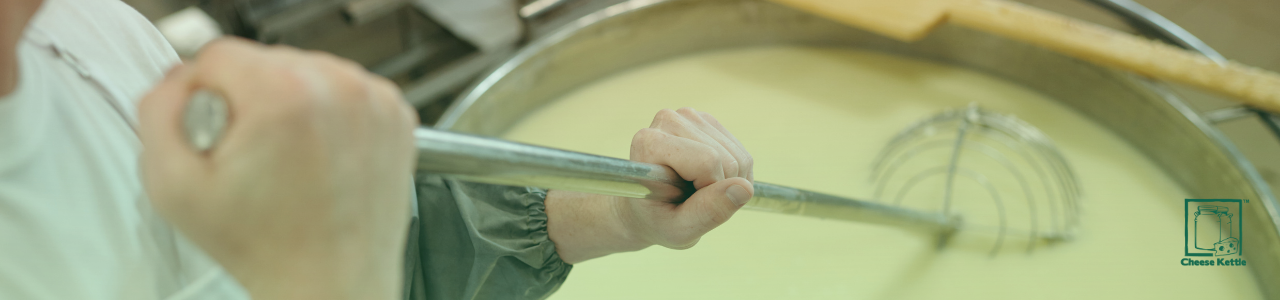
The insulation around a stainless-steel milk tank must slow heat entering the stored milk after cooling. Good insulation reduces how frequently cooling systems need to pull the milk temperature back down. Heat gain depends on the room temperature, storage time and how the milk storage tank is used. Keep lids and access points closed while storing milk and avoid unnecessary openings around fittings. Check these areas when temperature starts drifting between cooling cycles:
Damaged or wet insulation
Covers that no longer close correctly
Warm pipework connected to the tank
Long storage periods in a warm dairy processing space
Repeated additions of warmer milk
Temperature Checks Must Catch Drift Early
The temperature reading on a stainless-steel milk tank must show whether the stored milk is staying within your documented range. Check the reading after cooling, during storage and before transferring milk for processing. Food Standards Australia New Zealand’s Standard 4.2.4 for dairy products requires Australian dairy businesses to control food safety hazards through documented programs. Its guidance also identifies cooling checks and accurate temperature measurement as part of milk storage control. Build these temperature control checks into your routine:
Record the milk temperature once the cooling stage finishes.
Check it again during longer storage periods.
Compare the tank reading with a known accurate thermometer at scheduled intervals.
Investigate repeated upward movement before the next batch enters.
Record any action taken when the temperature moves outside your set range.
Stainless Steel Surfaces Must Rinse and Drain Cleanly
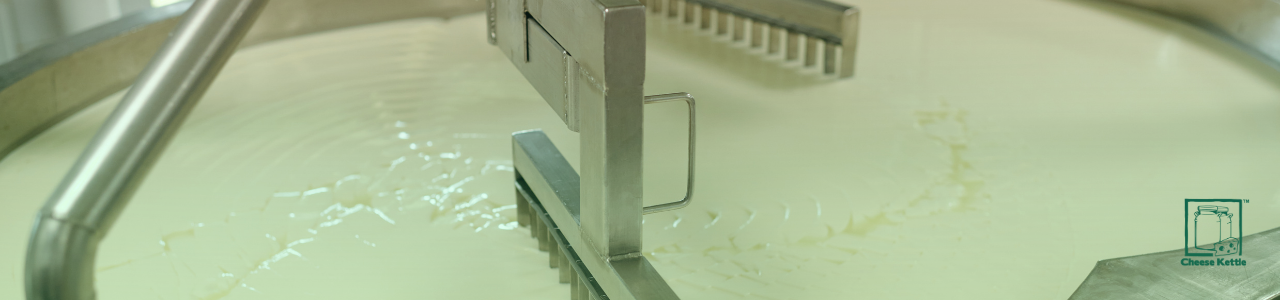
The stainless-steel surfaces inside a milk tank must be easy for cleaning water to reach and easy for rinse water to leave. Residue left around visible welds, fittings or pipework increases cleaning time and creates places where contamination can remain. Tank shape and components matter because milk reaches more than the main wall. Include the outlet, lid underside, temperature fitting and connected pipework in your hygiene and cleaning check. Look for areas that slow the job:
Tank Area | What To Check |
|---|---|
Internal walls | Water reaches the full stainless-steel surface |
Base | Rinse water drains without pooling |
Outlet | Milk does not remain behind the valve |
Lid and fittings | Residue is visible and reachable |
Connected pipework | Cleaning solution reaches the complete path |
Smooth stainless steel supports routine cleaning and improving hygiene, but the complete milk path still needs access to the cleaning cycle.
Pre-Rinsing Must Clear Milk Before the Main Wash
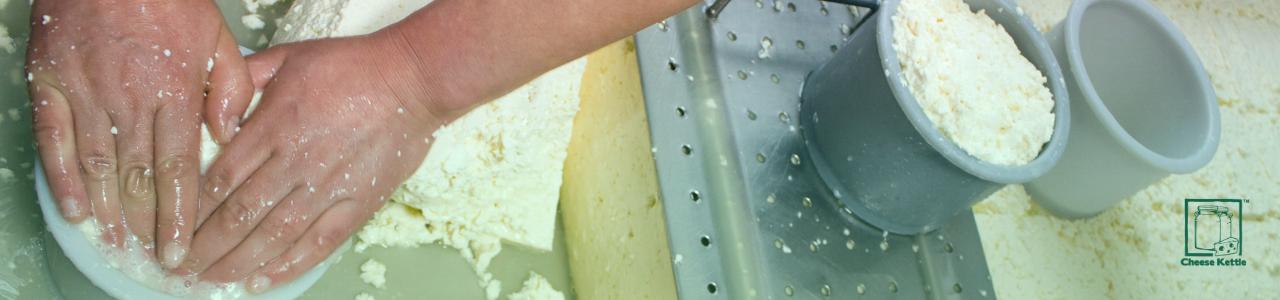
The pre-rinse in a stainless-steel milk tank must remove visible milk residue before the main cleaning cycle starts. Leaving heavy residue behind makes the detergent stage work harder and increases the chance of another wash. Start cleaning promptly after the tank is emptied. Use the water conditions and sequence specified in your cleaning procedure and existing equipment requirements instead of adding extra rinse steps without checking their purpose. After a heavily soiled batch:
Run the normal pre-rinse.
Check the tank, outlet and visible fittings.
Confirm that loose milk residue has cleared.
Fix any blocked or poorly reached area before the main wash.
Continue with the documented cleaning cycle.
Food Standards Australia New Zealand advises cleaning surfaces before sanitising them because remaining food residue reduces the effectiveness of sanitising and creates conditions that support bacterial growth.
Cleaning Cycles Must Use Set Time, Heat and Chemical Levels
The cleaning cycle for a stainless-steel milk tank must use the set water temperature, chemical amount, wash time and water movement. Changing one part of the process without checking the others creates inconsistent cleaning results. A clean-in-place system washes the tank through fixed cleaning equipment without dismantling the tank for every routine wash. The system still needs enough water, correct chemical mixing and full internal coverage to meet your dairy hygiene requirements. Australian dairy industry guidance says cleaning programs should document procedures, frequency, chemicals, temperatures, water movement and corrective action to support compliance with food safety requirements.
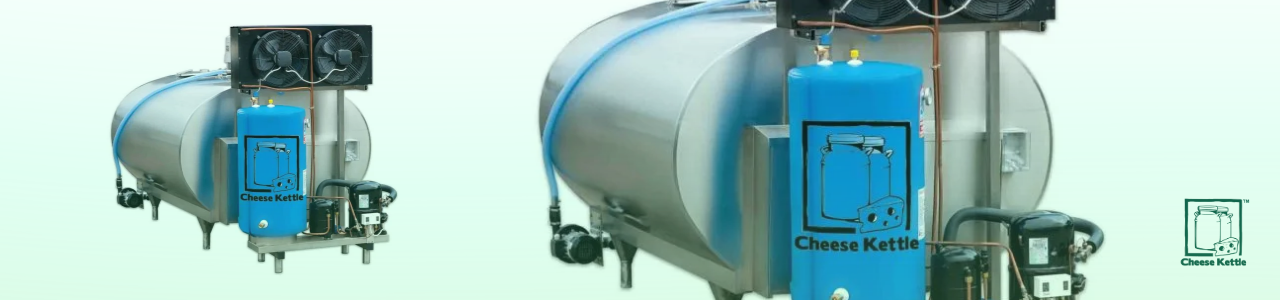
Our Cheese Kettle Milk Cooling Tank w/ Chiller and CIP System Cuts Delays
We build the Cheese Kettle Milk Cooling Tank w/ Chiller and CIP System to order for dairy farms and cheesemaking operations. Its chiller is sized for the incoming milk and target temperature, while the integrated clean-in-place system supports routine tank cleaning without regular dismantling.
Contact us to order a Milk Cooling Tank w/ Chiller and CIP System sized for steady milk cooling and an efficient cleaning routine.
Stainless Steel Milk Tank Questions
Cooling | What Should I Check After Chiller Servicing?
Check the stainless-steel milk tank against its normal cooling pattern after chiller servicing. Record the milk temperature through one normal fill and confirm that cooling returns to your documented range. A service report confirms the maintenance completed. Your milk temperature record confirms how the complete tank, chiller and connected systems perform under your actual operational load.
Cleaning | Does A Clean-In-Place System Still Need Inspection?
A clean-in-place system still needs inspection after the cycle finishes. Check visible stainless-steel surfaces, the outlet and accessible fittings for residue before putting the tank back into service. If residue remains, find the cleaning stage or poorly reached area causing it before repeating the cycle.