
Making Caciocavallo in a 200 Ltr Cheese Making Kettle Vat is about turning good cow’s milk into a reliable, repeatable stretched curd cheese that suits both small and growing dairies. With a clear process, you can move from trial batches to confident production without losing the cheese’s character or distinctive shape.
What Makes Caciocavallo Different from Other Stretched Curd Cheeses?
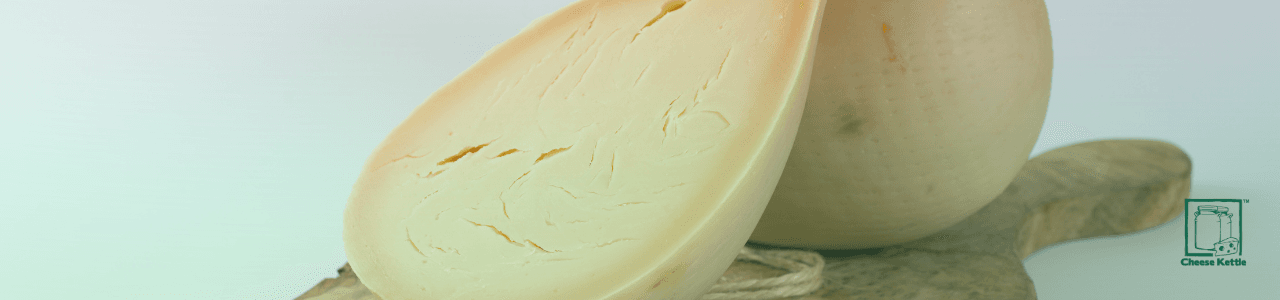
Caciocavallo cheese is a traditional Pasta Filata or stretched curd cheese linked to southern Italy, with a history that goes back many generations of farm families. The name literally means “horse cheese”, because the finished cheeses are often tied in pairs and hung over a beam like bags over a horseback.
This cheese is usually semi hard, with a smooth, elastic texture and a distinctive shape that looks like a pear with a small “neck”. In various regions of Italy, makers use different milk types, including pure cow’s milk, mixed cow and sheep milk, and local variations that may even include truffles or herbs.
Why Is a 200 Ltr Cheese Making Kettle Vat Ideal for Caciocavallo Production?
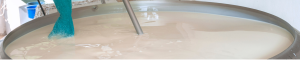
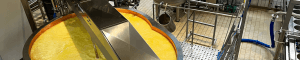
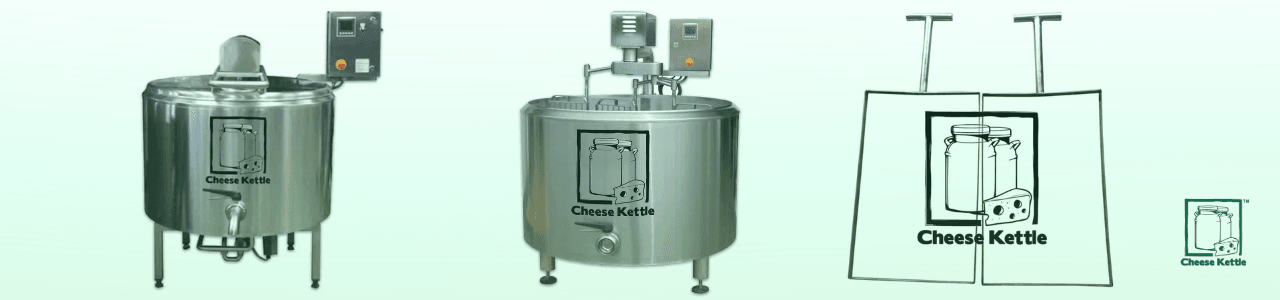
A 200 Ltr Cheese Making Kettle Vat gives you reliable control over milk heating, curd forming, and temperature steps. Its jacketed design provides even warmth, so you avoid hot spots that might create uneven curds or affect final texture and taste.
Because the vat includes gentle agitation, it supports clean mixing of culture and rennet and keeps your curd size more even. This is important when you want a predictable style of cheese that behaves the same way every time you stretch it and later when it is hanging in the aging room.
How Should You Prepare and Heat the Milk for Caciocavallo?
For consistent Caciocavallo, start with high‑quality cow’s milk from healthy cows, ideally collected and cooled quickly on farm. Many Australian producers work with local farms, so you can build strong family and region links into your food story.
In most cases, you will be working with pasteurised milk, either processed in a separate pasteuriser or in the kettle if your setup allows. After pasteurisation, cool the milk to a warm setting temperature, typically in the high 30s, ready for culture and rennet.
How Do You Set, Cut, and Cook the Curd in a 200 Ltr Vat?
Once the milk is at the right temperature, you add your starter culture to start the acid development, then add rennet to form the curd. Leave the vat still until the curd gives a clean break when tested with a knife or flat blade.
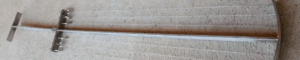
When the curd is ready, cut it into even pieces with a Cheese Harp built for your vat, aiming for small cubes that will give you the right moisture for a semi hard cheese. Slowly raise the vat temperature in small steps while gently stirring, so the curd firms and the whey begin to separate.
Curd handling in the 200 Ltr kettle vat:
Cut to steady, even sizes so the curd cooks and dries at the same rate.
Stir gently during cooking to prevent clumps and protect the later stretched curd stage.
Stop cooking when the curd feels elastic but not rubbery and the whey looks clear.
How Do You Manage Acid Development for a Smooth Stretched Curd?
A good, stretched curd cheese depends on the right balance of acidity; this is what lets the curd become soft and smooth when warmed in hot water. After cutting and partial draining, let the curd rest so the culture continues to work and whey drains away.
You can test your curd with a small strip dipped in hot water; when it pulls into long threads without breaking, you know it is ready. The process looks simple, but in practice small changes in temperature, resting time, and curd cutting can make a big difference to the final texture and flavour.
What Is the Step‑By‑Step Method for Stretching and Shaping Caciocavallo?
When the curd is ready, cut it into strips or chunks and immerse it in hot water or hot whey. The temperature of this bath is quite high, but you still want to handle the pieces gently and fold them until they become shiny and stretchy.
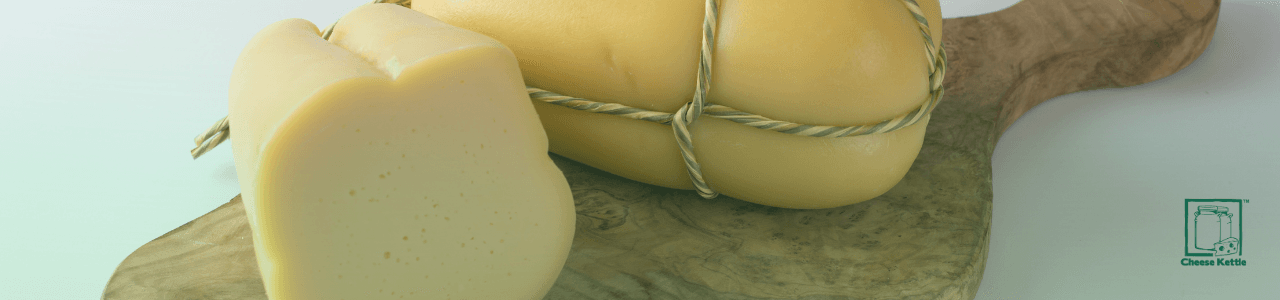
Now form the cheese into its distinctive shape. Caciocavallo is often shaped like a tear drop, with a larger round base and a smaller top that you can grip and tie. It is then tied with a string or rope, often in pairs, ready for hanging over a bar, which is why it is called “horse cheese” in the first place.
How Should You Brine, Dry, and Age Caciocavallo in an Australian Dairy?
After shaping, chill the cheeses briefly in cold water so they hold their distinctive shape. Transfer them into a brine tank, where they will absorb salt, develop rind, and prepare for aging. A 500 Ltr Brine Tank gives enough capacity to handle several batches from a 200 Ltr vat, making it easier to manage output over the week.
Once brining is finished, lightly dry the surfaces and move the cheeses to your aging room. They are usually hanging by their strings or supporting rope, sometimes in pairs, which also helps with airflow. As they mature, the flavour moves from mild and sweet to spicier, with hints of nuts and a deeper smell.
Typical Caciocavallo aging path:
Fresh to young stage: Light, mild cheeses with gentle taste, good for sliced serving at dinner.
Medium aged: Firmer texture, more sweet and nutty notes, often grated or melted in cooking.
Long aged: Complex, sometimes spicy, perfect with bread, honey, and a glass of white wine.
How Do You Integrate CheeseKettle Equipment into a Complete Caciocavallo Line?
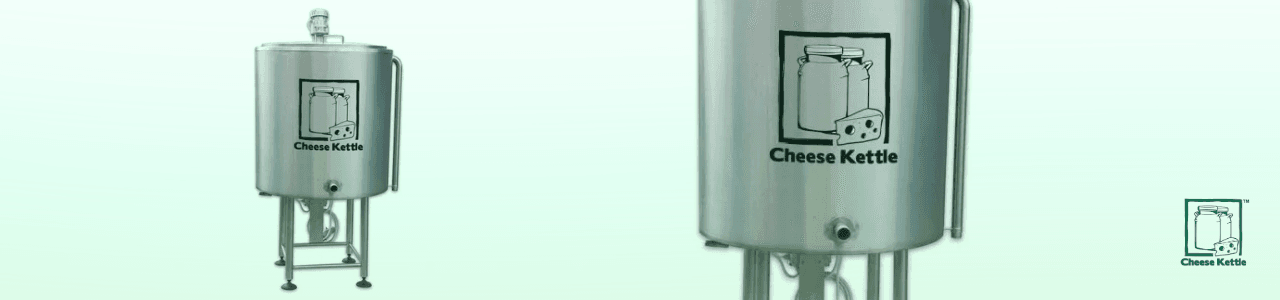
A practical Caciocavallo setup uses a small group of matching tools. The 200 Ltr Cheese Making Kettle Vat is your main vessel for cheese making, while a 200 Ltr Milk Pasteurizer, Cheese Harp, and 500 Ltr Brine Tank support reliable flow from milk intake to aging.
These units are built from stainless steel and designed for repeat, daily use in working plants. They suit regional makers who want to produce Italian styles like Caciocavallo, mozzarella, provolone, or mixed‑milk cheeses that echo the origin of classic southern Italy recipes, but with local milk and Australian compliance.
How Can You Scale from Trial Batches to Stable Commercial Production?
Moving from small tests to regular output is about controlling every small part of the process. Keep your temperature charts, curd tests, and timings for each stage, so you can see what works when the cheese turns out exactly how you want it.
As you learn, you can build a family of related cheeses from the same line, such as milder fresh stretched curds or more aged styles that behave like a firmer brother to your original Caciocavallo. This means your group of products can serve different markets, from everyday food to special dinner boards with cured meats, bread, and honey.
How Do People Enjoy Caciocavallo at the Table?
Understanding how people use Caciocavallo helps you fine‑tune your style and aging targets. Younger cheeses are often sliced and eaten with bread, cured meats, and olives, with a mild, sweet taste that children and adults both enjoy.
More mature wheels can be grated over pasta, risotto, or roasted vegetables, or melted in sandwiches or on top of cooking dishes. In some homes, it pairs beautifully with a glass of chardonnay, other white wines, or even light reds, and can sit beside mozzarella and pecorino as part of a mixed Italian cheese board.
Conclusion
Caciocavallo is a classic Italian stretched curd cheese with a strong link to southern Italy, but it adapts well to Australian dairies that want to add something special to their range. Using a 200 Ltr Cheese Making Kettle Vat gives you steady control over milk, curd, temperature, and brine, so you can deliver a clear, reliable style from batch to batch.
As your cheeses mature, you can offer everything from fresh and mild to firm and spicy, all with the same distinctive shape that is tied and hanging like the traditional “horse cheese”. With a well‑planned line, your business can grow a strong origin story, rooted locally, but connected to a wider world of classic Italian cheese traditions.
Ready to build your Caciocavallo line? Contact CheeseKettle today about the 200 Ltr Cheese Making Kettle Vat, 200 Ltr Milk Pasteurizer, Cheese Harp, and 500 Ltr Brine Tank to create a dependable, scalable Caciocavallo production process in your dairy.