🧀 Contact Us Now! (Call 02 6190 7800) 🧀

🧀 Contact Us Now! (Call 02 6190 7800) 🧀
A stable cheese cave helps you store cheese safely, protect quality, and avoid excess waste across artisan and commercial operations. Daily checks on temperature, humidity, and airflow make sure conditions stay cool and consistent, which is just as important for a small cellar as it is for large storage facilities holding cheese hundreds of kilometres from production. This article explains simple daily routines any dairy producer can use to keep caves reliable and ageing on track.
Cheese caves are not only used by individual makers but also by larger organisations that store surplus cheese and other dairy products. In the past, converted limestone mines in places like Missouri were used as government cheese caves, where the federal government stored massive stockpiles of commodity cheese blocks and other dairy supplies. That history is a useful reminder that caves, whether in Missouri or California, must be monitored carefully to protect the cheese, the money spent on production, and the people who consume it.
Daily monitoring matters because cheese constantly exchanges moisture and heat with its surroundings, and unsteady conditions can quietly damage flavour and texture. If you ignore daily checks, food surpluses or valuable artisan batches can slowly dry out, grow the wrong moulds, or break down in ways you only notice once the cheese leaves the cave. A simple routine gives you clear numbers to work with instead of wondering why a batch went wrong.
For medium‑scale producers using the 200 Ltr Milk Pasteurizer, daily cave checks become part of a wider control system that covers milk treatment, ageing, and long‑term storage.
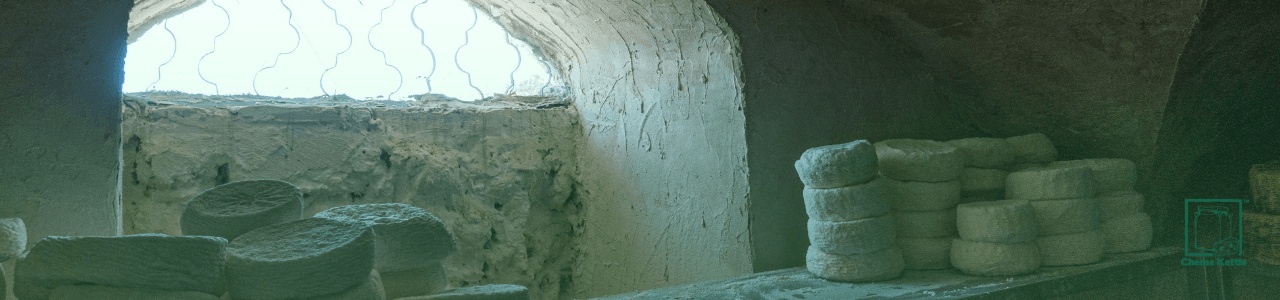
Most ageing and storage spaces perform well when held between about 8 and 14 degrees Celsius, which suits both artisan styles and bulk commodity cheese. Daily checks should confirm that your cave temperature stays inside your chosen band, not just “cool enough,” and that it does not swing sharply during the day. If the cave runs too warm, cheese can age too fast or spoil, while temperatures that are too low can slow development or make surfaces hard and brittle.
Remember that caves holding millions of pounds of government owned cheese once faced similar challenges, especially when the american government was trying to control food surpluses and market prices. Even there, in deep missouri cheese caves carved into ground limestone, temperature had to be kept stable, so cheese did not break down or go to waste. In your operation, a good thermometer and a regular reading schedule are the foundation of reliable control.
Pairing accurate cave readings with controlled pasteurisation and cooling, for example with CheeseKettle’s 100 Ltr Milk Pasteuriser with Chiller, helps keep both production and storage sides working in step.

Humidity plays a major role in how cheese rinds form and how long products can be stored without surface damage. For many natural rinds, humidity between roughly eighty-five and ninety five percent keeps moisture loss steady and prevents cracking, while lower humidity can suit packaged or boxed cheese that is already wrapped. Daily checks should confirm that humidity is not slipping into extremes that cause rinds to dry, surfaces to become sticky, or mould to grow where it should not.
Think about how surplus cheese would have behaved in those converted limestone mines in Missouri, where cool air and natural humidity helped store blocks for weeks or months. Whether you store cheddar wheels or american cheese in a box on a shelf, humidity that is too low will waste weight, and humidity that is too high can cause spoilage. Adjusting misting, dehumidifiers, or ventilation slowly after each reading keeps conditions steady without shocking the cheese.
Airflow helps carry cool air, humidity, and aromas through the cave, and it affects how evenly cheese ages or stores. During daily checks, you should look for gentle, consistent movement around stacks and shelves, not strong drafts or dead corners. If airflow is poor, parts of the cave can become pockets where cheese blocks sit in stale air, building unwanted odours or growing surface mould that does not match the rest of the batch.
Large warehouses and storage facilities, including those that once held government owned cheese comprising hundreds of thousands or even 1.4 billion pounds of product, rely on airflow planning to avoid hot spots and cold spots. In your own cave, fans, vents, and shelf layout should work together so milk based products age or store evenly from surface to centre. Daily walks through the cave, noticing smells and condensation, are an easy way to spot airflow issues without complex tools.
A simple routine helps you fit monitoring into your day without turning it into a burden. Many makers read temperature and humidity first thing in the morning, then again later in the afternoon, so they can see how the cave responds as the outside environment changes. Including airflow observations and quick visual checks on cheese surfaces makes the routine complete without taking more than a short break from other work.
Whether you are storing artisan wheels, commodity cheese, or surplus cheese for community centers and food banks, a written or digital log makes each reading useful. During the reagan era, when government had to break down massive stockpiles and move pounds of cheese into distribution programs, simple records helped track what was stored, where it went, and how long it had been in caves or warehouses. Your log serves the same purpose, on a scale that suits your own industry and production.
For smaller artisan makers using equipment such as CheeseKettle’s 50 Ltr Pasteurizer for Milk, a short daily cave checklist ties neatly into existing batch records and helps align pasteurisation, production, and ageing.
Recording readings is one thing, but looking back over them is what turns daily data into useful control. Simple tables or charts that show temperature, humidity, and airflow notes next to key events, such as new batches arriving or old batches leaving, quickly reveal patterns. You might notice that demand peaks and heavy loading always push humidity down or raise temperature, which lets you plan small changes before problems appear.
Some people find that following this trail of information can feel like going down a rabbit hole, but it does not need to be complex. Pick a few clear points to track and keep the format easy to read so you can review it once a week. Over time, monitoring records also support conversations with staff, customers, and anyone else who wants to understand how you care for cheese, milk, and other dairy products from production to storage.
When readings stray outside your chosen ranges, take simple steps to bring conditions back without overreacting. Start by checking that your tools are working properly, and then look for recent changes such as added cheese, door use, or outside weather shifts. Adjust one element at a time, such as slightly lowering the cooling set point or adding a short humidification cycle, so you can see what works.
If a batch has already shown damage, such as cracked rinds or soft spots on packaged blocks, record what happened and link it to the readings for that week. This record helps you avoid repeat issues and guides future decisions when production increases or demand changes. In this way, your cave monitoring becomes a quiet but essential part of protecting both your cheese and the money and effort spent making it.
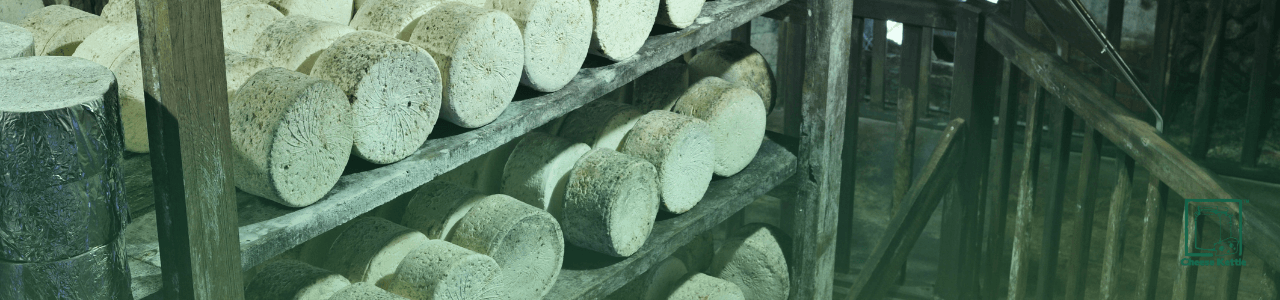
Daily monitoring of temperature, humidity, and airflow turns cheese caves from mysterious spaces into controlled environments that support ageing, storage, and distribution. Whether you are caring for a handful of cheddar wheels or managing larger stocks of surplus cheese for community centers and food banks, the same simple checks help you keep quality high and waste low. In a dairy industry that can swing between shortage and excess, steady caves are a quiet way to keep control.
If you want your cave monitoring to tie into stable make processes, talk to CheeseKettle about equipment such as the 50 Ltr Pasteurizer for Milk, 100 Ltr Milk Pasteuriser with Chiller, and 200 Ltr Milk Pasteuriser.
