
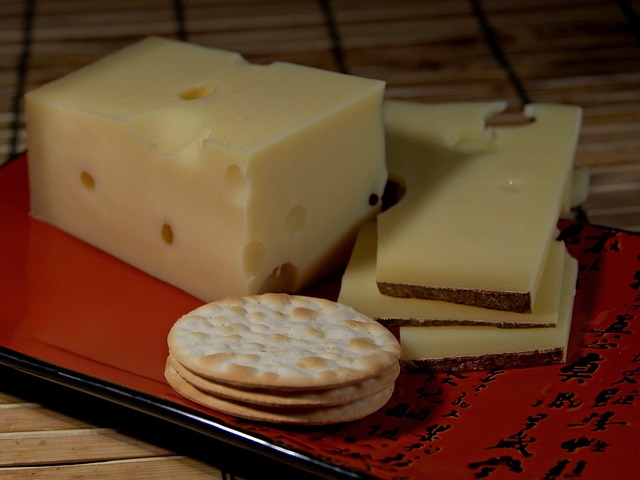
Swiss cheese is recognised worldwide for its unique flavour, aroma, and appearance. Originating from the west central region of Switzerland, this semi hard cheese is a staple on many cheese boards and charcuterie boards. Its subtle, nutty taste and large holes make it an excellent choice for a variety of dishes, from fondue to melted recipes and sandwiches. Swiss cheese, also known as Emmental cheese or Emmentaler AOP, stands out in the cheese industry for its distinctive characteristics and traditional varieties.
What Makes Swiss Cheese Unique?
Swiss cheese is produced using fresh milk or raw milk from cows grazing in the Swiss Alps. The cheesemaking process involves introducing specific bacteria to the milk, which leads to the formation of curds. During cheese production, carbon dioxide is released, creating the familiar holes inside the wheels of cheese. The result is a semi hard cheese with a sweet, nutty flavour and a smooth rind, often enjoyed with bread or wine.
Traditional varieties such as Le Gruyère AOP and Tête de Moine AOP are also part of the Swiss cheese family. These cheeses, along with Emmental, are protected designation products, meaning they must be produced in specific regions of Switzerland using time-honoured methods. Smaller wheels like Baby Swiss offer a milder taste and are popular for their creamy texture.
The Origins and Varieties of Swiss Cheese
Swiss cheese, or Emmental, comes from the Emmental valley in Switzerland. Dairies in this region have been making cheese since the 1300s, using whole milk from local cows. Over time, the production of Emmental cheese expanded, and Swiss cheesemakers began to supply cheese to markets around the world. Today, Swiss cheese is produced in various forms, including extra hard cheese, soft cheese, and cream cheese.
Some well-known types related to Emmental cheese include:
Sbrinz
Berner Hobelkäse AOP
Berner Alpkäse
Gruyère (AOP)
L’Etivaz (AOP)
Schabziger
Appenzeller
Bündner Bergkäse
Mutschli
Raclette
Le Marechal
Scharfe Maxx
Tête de Moine (AOP)
Tilsiter (“Royalp Tilsit”)
Vacherin Fribourgeois (AOP)
Formaggini
Vacherin Mont d’Or
Gala
Luzerner Rahmkäse
Bleuchâtel
Büsciun da cavra
Tomme Vaudoise
lavAzza di fromago
These cheeses are enjoyed for their unique flavours and textures, and many are featured on cheese boards or served melted in traditional Swiss dishes.
How Swiss Cheese Gets Its Holes
The cheesemaking process for Swiss cheese starts with milk, typically from cows. During production, three types of bacteria-Streptococcus thermophilus, Lactobacillus helveticus, and Propionibacterium-are introduced. As the cheese matures, Propionibacterium consumes lactic acid and releases carbon dioxide, which forms the large holes that Swiss cheese is known for. This process distinguishes Swiss cheese from most other cheeses and gives it its signature appearance.
Advancements in cheese production, including the use of modern equipment like cheese vats and curd cutters, have allowed Swiss cheesemakers to produce consistent, high-quality cheese on a larger scale. However, many dairies in the Swiss Alps continue to use traditional methods to preserve the unique flavour and texture of their cheese.
Modern Cheese Making and Equipment
The cheese industry has evolved, with dairy farmers and cheesemakers now using equipment such as stainless-steel cheese vats, pressing tools, and brine tanks to streamline production. These tools help maintain the quality of Swiss cheese while allowing for greater efficiency. Whether produced in large wheels or smaller wheels like Baby Swiss, the focus remains on using fresh milk and time-tested techniques.
Conclusion
Swiss cheese, with its roots in Switzerland’s Emmental region, continues to be enjoyed around the world for its delicious taste, nutty aroma, and distinctive holes. Its versatility makes it a favourite on cheese boards, in cooked dishes, and as a melted topping. The dedication of Swiss cheesemakers and dairy farmers ensures that each wheel of cheese delivers the unique flavour and quality that has made Swiss cheese a global favourite.
Discover Cheese Making Solutions
If you’re interested in making Swiss cheese or exploring equipment for cheese production, we offer solutions to support your cheesemaking process, from milk handling to curd cutting and pressing.