
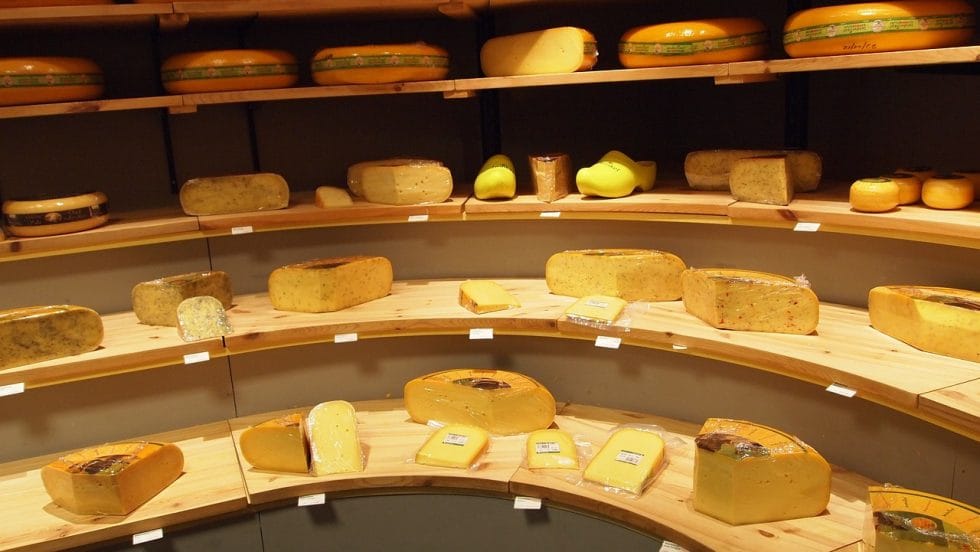
Types of Cheese
Cheese is one of the most popular foods in the world. Every country, every town, every city, or every house you go to, there’s almost always cheese. Many types of cheese, such as cow’s milk cheese, goat cheese, and sheep’s milk cheese, are used in a wide range of sweet and savory dishes for both flavor and decoration. If you are a cheese enthusiast or fan, one of the first things to learn is about the different types of cheese.
Cheese is commonly classified in a number of ways, including texture (soft cheese, semi-soft cheese, hard cheese), flavor (mild flavor, sharp, extra sharp), age (young cheeses, matured cheese, aged cheese), preparation method (bacteria-ripened, mould ripened cheese, unripened), and the type of milk used (cow’s milk, goat’s milk, sheep’s milk, buffalo milk). Cheese can also be grouped by color, country, and region. For this overview, we are following the lead of certified cheese professional Marcella Wright.
To cut the story short, here are the 8 types of cheese:
Fresh Cheese
Fresh cheese, also known as unripened cheese, includes varieties like cottage cheese, ricotta, chevre, cream cheese, mascarpone, and queso fresco. These cheeses are not aged and are known for their soft texture, creamy consistency, and smooth and creamy texture. They often have a mild, milky flavor and can be made from cow’s milk, goat’s milk, or buffalo milk. Fresh mozzarella cheese is another example, commonly used in pasta dishes and paired with ripe tomatoes.
Semi-hard Cheese
Semi-hard cheese is a broad category that includes popular types like Edam, raclette, Emmental, Gouda cheese, Gruyere, and Monterey Jack. These cheeses are made from cow’s milk or other types of milk and develop their flavor from the bacteria introduced during production and the aging process. The texture can range from slightly crumbly to smooth, and flavors often include nutty flavor or buttery taste. Semi-hard cheese is often used in grilled sandwiches and as table cheese.
Hard Cheese
Hard cheese varieties such as cheddar cheese, parmesan cheese, manchego, and pecorino are made from cow’s milk or sheep’s milk and are known for their low moisture, crumbly texture, and salty flavor. These cheeses are matured for longer periods, resulting in a savory flavor and a high melting point. Hard cow’s milk cheese like parmesan is often grated over pasta dishes and savory dishes.
Pasta Filata
Pasta filata refers to Italian cheese made by stretching and kneading curd in hot water, resulting in a string cheese or smooth texture. Mozzarella cheese, burrata, caciocavallo, scamorza affumicata, queso Oaxaca, and provolone are all pasta filata cheeses. These cheeses are often made from cow or buffalo milk and are valued for their creamy texture and high melting point.
Soft-ripened Cheese
Soft-ripened cheese is high in moisture and ripened for a short period before sale, which keeps the inside soft and creamy. Brie cheese and Camembert are well-known examples, both featuring a soft texture and mild flavor. These cheeses are often made from pasteurized cow’s milk and are enjoyed with crusty bread.
Semi-soft Cheese
Semi-soft cheese focuses on texture rather than production method. These cheeses, such as Chaumes, Havarti, Jarlsberg, and Muenster, have a creamy consistency, smooth texture, and are usually made from cow’s milk. Their short aging period results in a mild flavor and flexibility, making them suitable for both sweet and savory dishes.
Washed-rind Cheese
Washed-rind cheese is notable for its aroma and orange rind. During maturation, these cheeses are regularly rinsed, sometimes with beer or wine, which helps develop their characteristic surface. Limburger cheese, Taleggio, Epoisses, and Alsatian Munster are examples. These cheeses are often used as a meat substitute or served with crusty bread.
Blue Cheese
Blue cheese is identified by its blue veins, created by inoculating the cheese with Penicillium mold. When exposed to air, the blue mold develops, giving the cheese a strong, salty flavor and nutty taste. Roquefort, Gorgonzola, Danish blue, and Stilton are all blue cheeses. Blue cheese can be made from cow’s milk, goat’s milk, or sheep’s milk and is often enjoyed in salads, with crusty bread, or as part of a cheese board.
Discover our premium cheese kettles designed for efficient and consistent cheese production-visit our products page to view the full range of equipment.
So, there you have it – the 8 types of cheese. For more information about cheese, yogurt, or dairy equipment, please feel free to go through our website.