
A milk taxi reduces calf feeding time by combining milk preparation, transport and dispensing in one mobile tank. You spend less time carrying buckets, returning for refills and hand-mixing feed for calves. On a farmstead dairy, that improves feeding efficiency and leaves more time for checking calves and keeping pens in order.
A Milk Taxi Combines Mixing, Transport and Dispensing
A milk taxi combines three separate calf feeding jobs in one piece of equipment. A tank-mounted agitator handles mixing, the mobile tank carries the milk, and a pump dispenses it at the pen. Set up the round so feed is prepared once before you leave the milk room. If you use milk replacer, follow the maker’s mixing directions and keep each feed at a consistent warm temperature. Set the dispenser before starting so each stop follows the same easy fill-and-feed motion.
Milk Taxi Capacity Should Match One Feeding Round
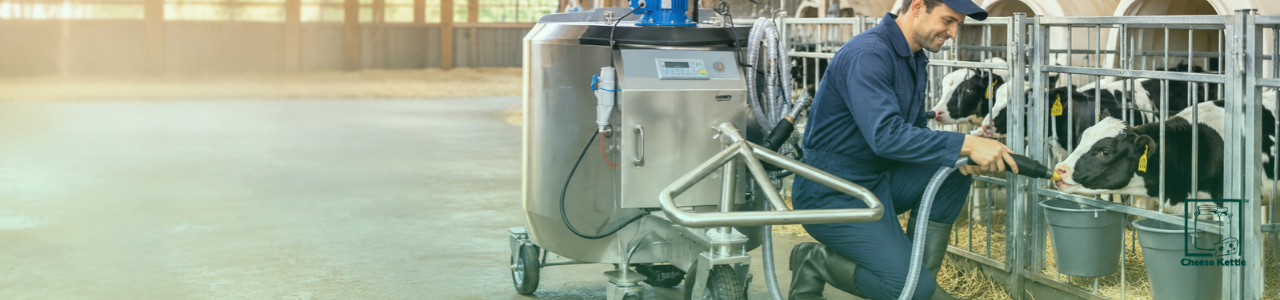
Milk taxi capacity should match the amount of milk you normally feed in one round. Holding the full round in one tank removes return trips for extra buckets or smaller containers. Work from your normal calf numbers and the milk volume each calf receives. Allow enough working room in the tank for mixing without splashing, then choose a route that keeps the loaded tank easy to move. Extra unused capacity adds bulk to the feeding round, so size the tank around routine demand.
Milk Taxi Routes Cut Walking and Repeated Handling
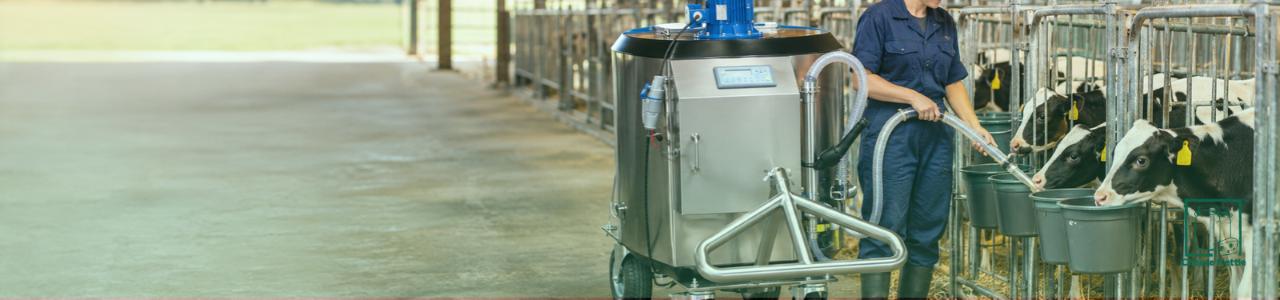
A milk taxi improves calf feeding efficiency when the route follows the calf pens in a clear order. Start at the closest pens, move through the shed once, and finish near the wash area.
Keep these points fixed from one round to the next:
Prepare all milk before leaving the milk room
Carry any small tools or records with the tank
Stop beside each pen only once
Keep gates and hose paths clear before feeding starts
Finish the route where cleaning water is ready
A repeatable route also makes it easy to notice a missed pen before you leave the calf area.
Milk Taxi Cleaning Should Start Straight After Feeding
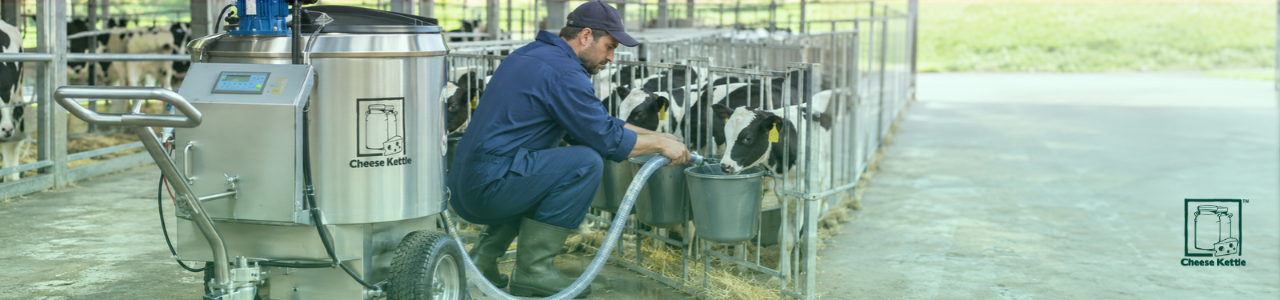
Milk taxi cleaning should start as soon as the calf feeding round finishes. Prompt rinsing stops milk residue drying onto the tank, pump and dispensing parts and supports hygienic feeding. Flush the tank with lukewarm water first, then complete your normal cleaning routine. Thorough daily cleaning of calf feeding equipment is important for keeping milk-contact surfaces ready for the next round.

Our Cheese Kettle Milk Taxi – Calf Feeding Transportable Tank Cuts Feeding Time
We build the Cheese Kettle Milk Taxi – Calf Feeding Transportable Tank to order for on-farm calf feeding. Its agitator handles mixing milk or milk replacer in the tank, while the pump adds convenience by dispensing feed at the pen. Contact us to order a Milk Taxi – Calf Feeding Transportable Tank sized for your calf numbers and feeding round.