
Scaling a cheese vat from 50 to 200 litres means planning the whole cheese making process around four times the milk volume. Usable capacity, heating time, curd cutting access, whey handling and cleaning all become part of the cheese production decision. You need the larger batch to move through each production process stage without delaying the next step. Your daily production depends on whether the surrounding equipment keeps pace with the larger batch.
Cheese Vat Capacity Must Match Your Working Batch Volume
The cheese vat capacity must match the milk volume you actually process, including the working space needed above the milk. Check the usable fill level before planning a full 200-litre cheese making batch.
Batch Plan | What To Confirm |
|---|---|
Your current 50-litre batch | Record filling, heating, cutting, draining and cleaning times |
Your planned 200-litre batch | Check working fill level, curd movement space and safe access |
Smaller batches in the larger vat | Check the mixing system and temperature probe still work at the lower milk depth |
Moving from 50 to 200 litres quadruples the milk handled in each batch. That change affects milk transfer, ingredient measuring, curd handling and whey collection even when the cheese making recipe stays unchanged.
Cheese Vat Heating Time Must Be Checked at Full Volume
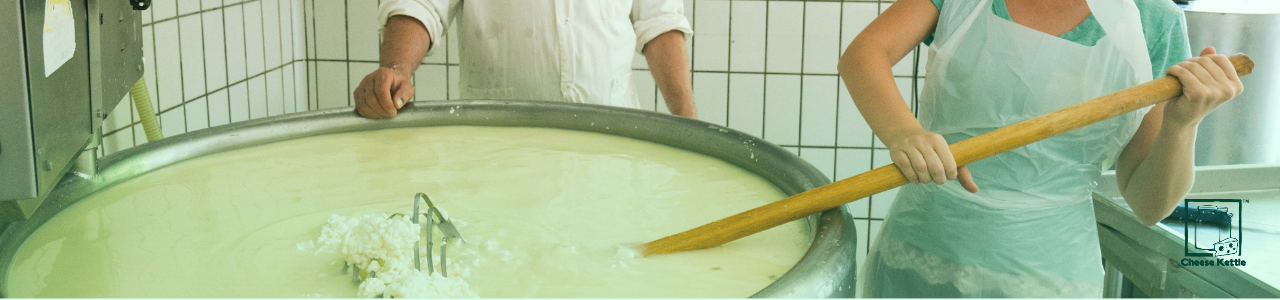
Cheese vat heating time depends on starting milk temperature, target temperature, installed heating and how the vat transfers heat into the milk. A 200-litre batch needs more total heating than a 50-litre batch for the same temperature change.
Do not carry your 50-litre warm-up time into the 200-litre production schedule. When you first set up the new vat, record heating time and temperature control at the planned batch volume.
Cheese Vat Power Must Support the Planned Heating Time
Cheese vat power must support the heating time you need. Check the site requirements before setting your daily timetable, because available power limits how much electrical equipment runs together.
List the vat, chiller, pumps, hot-water equipment and other systems that overlap during cheese production. Have a licensed electrician confirm your power supply and wiring suit the planned equipment operation.
Before installation, check:
The required power supply type, including single-phase or three-phase
Where the main electrical control for the vat will sit
Which other machines run during vat heating
Whether cooling equipment starts before heating equipment stops
Whether cables and controls stay clear of wet working areas
Cheese Vat Workflow Must Be Rebuilt Around the Larger Batch
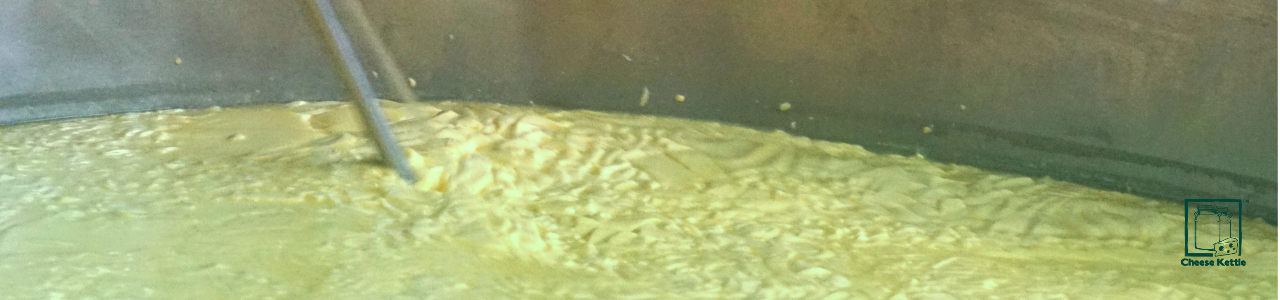
Cheese vat workflow at 200 litres should use the actual time needed for filling, heating, setting, cutting, draining, moulding and cleaning. The larger batch puts more work into milk transport, draining and moulding stages within the production process.
Build the production sequence in this order:
Stage milk, cultures, rennet and measuring tools before filling.
Start heating using the warm-up time recorded at your planned batch volume.
Have curd cutting and stirring tools clean, assembled and within reach before the curd sets.
Prepare the whey destination, moulds and draining area before opening the vat outlet.
Leave enough time after moulding for the vat to be fully cleaned before the next cheese make.
Cheese Vat Cutting Tools Must Reach the Full Curd Depth
Cheese vat cutting tools must reach the full width and depth of the curd at 200 litres. Check every cutting tool against the new vat dimensions before using the larger batch.
Your working position also changes as cheese making vats get wider or deeper. Measure the reach to the centre and base, then confirm the agitator clears the curd cutting path when stopped.
For mixing, check that the paddle moves curd through the intended batch depth without crushing soft curd. Follow your make sheet when setting the mixing speed for cheddar, mozzarella or other cheeses after the curd has formed.
Cheese Vat Draining Must Match the Larger Curd and Whey Load
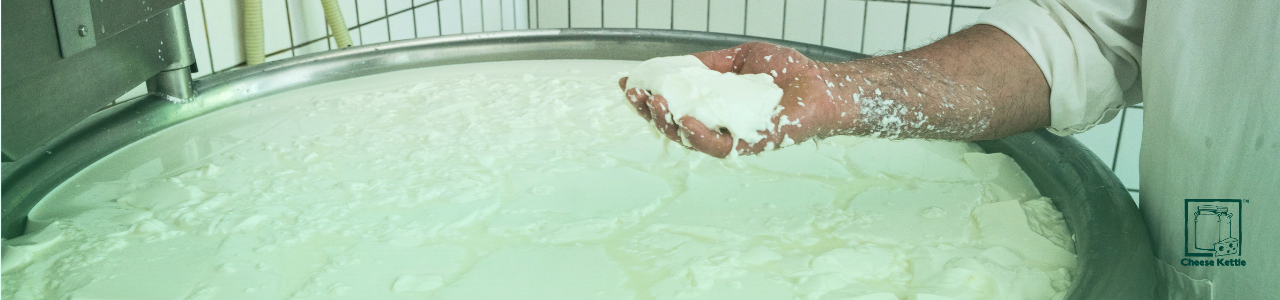
Cheese vat draining and moulding must be planned for the full 200-litre batch before you increase milk volume. The vat becomes only one part of cheese making once the whey starts moving.
Area | What To Plan At 200 Litres |
|---|---|
Whey destination | Enough holding or transfer capacity for the full drain |
Vat outlet | A clear path for whey and access for cleaning |
Moulds | Enough moulds for the expected cheese yield on your make sheet |
Draining bench | Enough working area for all filled moulds |
Curd transfer | Tools and containers positioned within easy reach |
Set out moulds, cloths and draining equipment before opening the outlet. With four times the milk, a slow drain or awkward layout takes a larger share of the cheese making process.
Cheese Vat Cleaning Must Fit the Production Day
Cheese vat cleaning must fit inside the production day, including the lid, agitator, temperature probes and outlet. A larger stainless-steel vat needs enough access for every milk-contact surface to be cleaned and checked for hygienic operation.
Plan cleaning within your documented dairy food safety program under Food Standards Australia New Zealand Standard 4.2.4. Include routine cleaning and maintenance in the production schedule so the vat is ready before the next batch of dairy products.
Our Cheese Kettle 200 Ltr Cheese Making Kettle Vat for Scaling Up
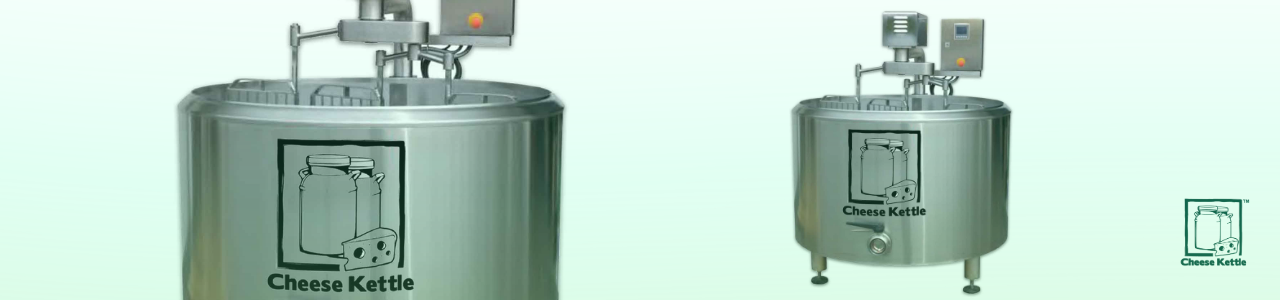
We build the Cheese Kettle 200 Ltr Cheese Making Kettle Vat to order for dairies moving into 200-litre cheese production. The listed stainless-steel build uses 24 kW of three-phase electric heating through an insulated jacket that heats the sides and base. Its movable variable-speed agitator provides mixing control and moves aside when you need clear access to the vat.
Contact us to order a 200 Ltr Cheese Making Kettle Vat to suit your planned batch volume, heating setup and cheese-room workflow.
Questions About Cheese Vat Scaling
Cheese Vat Scaling | Do I Need to Change My Make Sheet At 200 Litres?
Your cheese making steps can stay the same, but record the actual heating, cutting, draining and handling times for the 200-litre batch.
Cheese Vat Setup | Should I Test a Full Batch Before Regular Production?
Yes. Run the cheese vat at your planned production volume to confirm heating time, temperature control, tool access, draining and cleaning workflow.