🧀 Contact Us Now! (Call 02 6190 7800) 🧀

🧀 Contact Us Now! (Call 02 6190 7800) 🧀
Warm room fermentation is the stage in Swiss-style cheese production where you give the cheese time, heat and humidity to develop its nutty flavour, eyes and smooth, dense texture. In a small Australian facility, you can manage this phase with simple, consistent routines rather than complex infrastructure, while still honouring traditional Swiss cheese techniques adapted for local milk and regulations. Learn how to focus on practical settings for temperature, humidity and time, and how to avoid defects like splits or blind cheeses. You will understand how to run a warm room that suits smaller wheels, from baby‑style Swiss through to more full‑bodied alpine cheeses destined for the cheese board, fondue pot or cooking in everyday Australian kitchens.
Warm room fermentation is where bacteria in Swiss-style cheeses convert lactic acid into aromatic compounds and carbon dioxide, which forms the familiar holes. In classic styles such as emmental and gruyère, this stage is essential to turn a firm pressed wheel into a delicious, full‑bodied cheese with a slightly sweet, nutty character and clean melting behaviour.
In Switzerland and other alpine regions such as the French and Swiss German areas of the Alps, this step traditionally took place in rooms above the dairy where heat from cooking and life in the building gently warmed the cheeses. Today, Australian cheesemakers can recreate the same effect with controlled rooms that hold steady conditions for aged cheeses made from whole milk, whether they are using pasteurised milk or producing allowed styles of raw milk cheese.
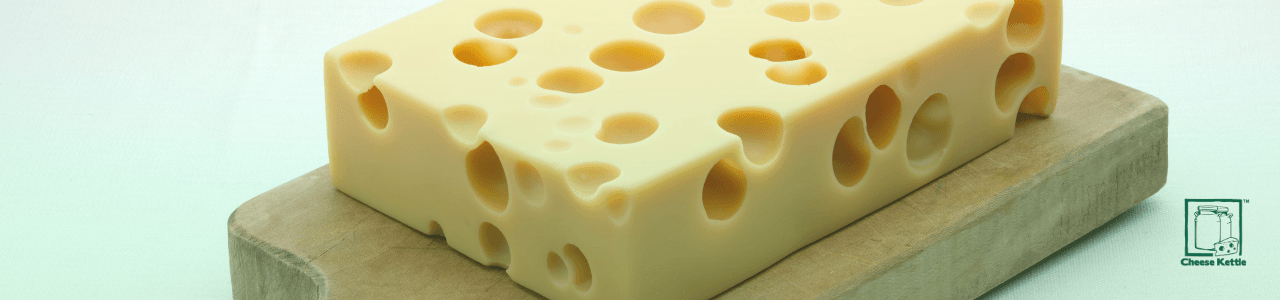
To support propionic fermentation in Swiss-style cheeses, the warm room should hold a stable moderate temperature and relatively high humidity. The aim is to give cheesemakers consistent control so curds that were cooked in the vat, pressed into wheels, and soaked in brine can now develop eyes and balanced flavours without drying or cracking.
In a small facility, a practical regime is to move wheels from a cooler store into a warm room set around the low twenties, with humidity high enough to protect the rind. You then hold them there for several weeks before stepping them down into a cooler room for longer maturation, adjusting duration based on style, wheel size and tasting checks of flavour and texture.
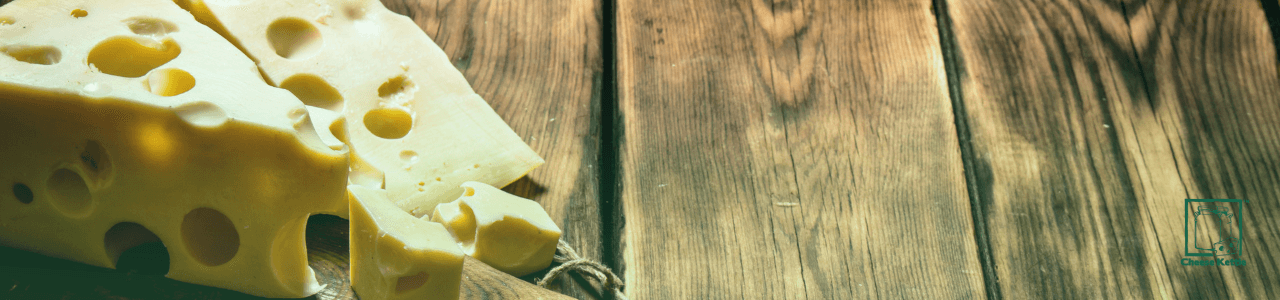
Think of the warm room as a table in your process, sitting between early storage and longer maturation. Cheeses might arrive with a clean rind from brining, be stored there while they produce gas and develop flavour, and then move to a cooler room where they continue to ripen into extra hard cheese styles or full‑bodied alpine cheese suited to slicing, grilling or melted dishes like raclette and fondue.
Getting the right amount of carbon dioxide into Swiss-style cheeses is a balancing act. Too little and the cheese lookheat and you may see sharp splits, uneven holes or a disturbed rind that makes the wheel hard to cut and store. For small Australian producers, this can mean lost stock and fewer cheeses available to sell online at the farm gate or to retailers blind and flat; too much gas or poorly managed.
Firm control starts earlier in cheesemaking, where you cook the curds, cut them correctly, manage rennet and choose cultures that support Swiss-style eye formation. During warm room fermentation, you then track time and temperature for each batch while checking wheels by sound and feel, and occasionally by cutting an example wheel to look at holes, colour and texture on the inside.
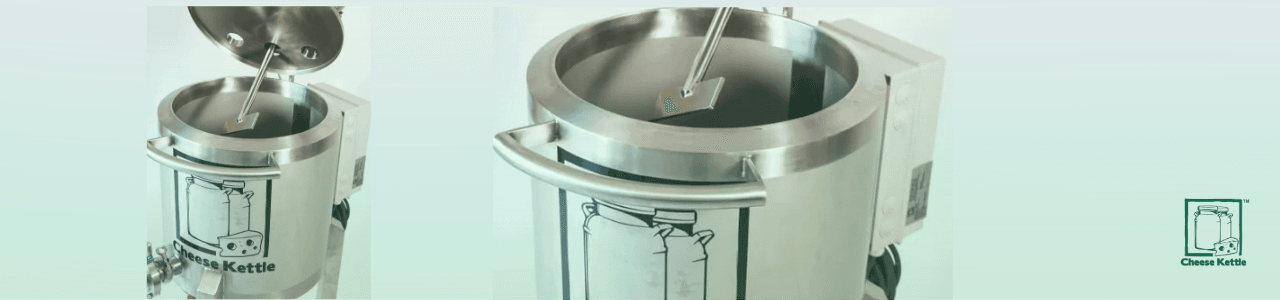
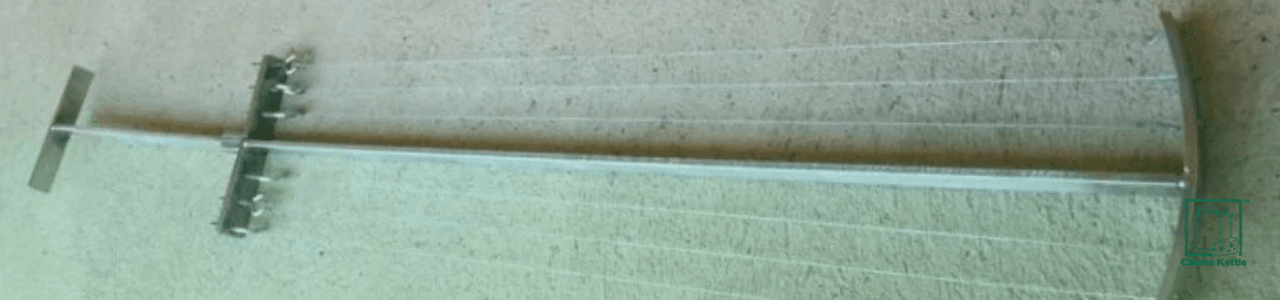
How you handle milk, curds and pressing before the warm room makes a big difference to how Swiss-style cheeses behave later. The 200 Ltr Cheese Making Kettle Vat uses a jacketed heating system and agitation to give even heating of whole milk and consistent cooked curds, which is vital for even moisture distribution and a regular, dense texture once the cheese is pressed and aged. For rural sites or small factories in Australia operating on single‑phase power, the 240V Single Phase Cheese Vat offers similar control without needing three‑phase supply, helping you produce everything from baby‑style Swiss to more traditional wheels. The Swiss Style Cheese Curd Cutter is specifically designed to create the curd dimensions needed for reliable eye formation and smooth melting performance.
For a small producer, Swiss-style cheeses can open up a versatile range that fits many parts of everyday life. A younger, softer wheel can play the role of baby swiss, ideal for sandwiches or a casual cheese board with wine, fruit and bread, while a more aged, extra hard cheese can become a sharp, full bodied feature on tasting plates or in fine cooking. Styles inspired by tête de moine, raclette or classic gruyère can also be an excellent choice for restaurants looking for distinctive Swiss flavor produced locally in Australia rather than importing from France, Germany or other countries, while still reflecting traditions recognised around the world.
Because most Swiss cheeses melt smoothly, they lend themselves to cooking and table use: simple melted cheese over potatoes, warm dishes shared at the table in winter, or grated cheeses that brown nicely in the oven. By positioning your Swiss-style wheels as part of a broader story that links cows, grass, flowers, and mountains in Europe to your own valleys and farms, you can connect traditional alpine cheesemaking with contemporary Australian tastes.
For small and growing producers who want predictable Swiss-style results, CheeseKettle can support you with the 200 Ltr Cheese Making Kettle Vat, the 240V Single Phase Cheese Vat, and the Swiss Style Cheese Curd Cutter. These tools help you produce reliably delicious Swiss-style cheeses that hold their shape in the warm room, slice cleanly on the plate and shine wherever great cheese is produced, served and enjoyed.
